
Azure Quantum’s collaborative development approach highlighted at IEEE QCE21
Microsoft will be showcasing a wide range of expanded Azure Quantum ecosystem capabilities at IEEE Quantum Week 2021.
Microsoft will be showcasing a wide range of expanded Azure Quantum ecosystem capabilities at IEEE Quantum Week 2021.
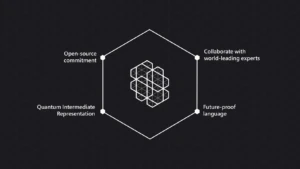
Vibrant ecosystems are a cornerstone of innovation for any emerging technology space. The field of quantum computing is no different. We’re excited to share several new Azure Quantum ecosystem updates aimed at empowering you to deliver impact with your applications, exploration, and research: Azure Quantum Credits to power your development.
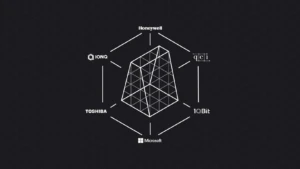
Are you a developer or researcher looking for access to today’s quantum hardware and tools? Please join us at our third Azure Quantum Developer Workshop where we’ll explore and experiment with today’s state-of-the-art quantum hardware using Azure Quantum.
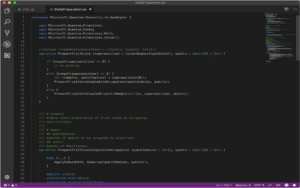
The latest version of our Quantum Development Kit now is available. It offers a new quantum chemistry library to advance computational chemistry research, an improved developer experience, and new Q# language capabilities.
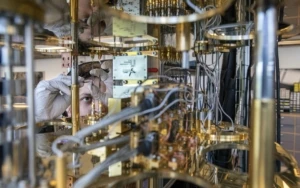
It has been a year since Microsoft unveiled its vision for building a scalable quantum computer. The company is advancing toward that goal, with seven Microsoft quantum labs around the world actively engaged in engineering a topological quantum computer that scales to meet real-world computing challenges.
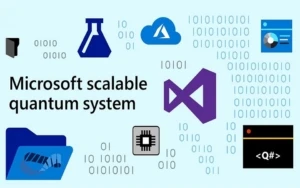
This week marks one year since Microsoft announced our bold vision of developing a scalable, full stack quantum computing solution. During that period, we have delivered against our vision and achievement, including expanding our quantum investments across the globe and making our quantum research and technology accessible to a growing community of quantum developers.
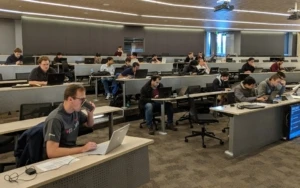
This July, the Microsoft Quantum team partnered with the University of Technology Sydney to welcome forty participants to the exciting world of quantum development using the Microsoft Quantum Development Kit and the Quantum Katas.
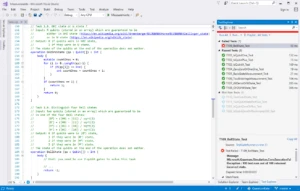
For those who want to explore quantum computing and learn the Q# programming language at their own pace, we have created the Quantum Katas - an open source project containing a series of programming exercises that provide immediate feedback as you progress.

If you’re thinking about getting into quantum development, you probably have a few questions. What can you do with it? How different is quantum compared to your current skills? And how steep is the learning curve? It might surprise you to find out that quantum development is easier to learn than you thought. This post covers the top questions we hear most from developers about to dive into the world of quantum computing.
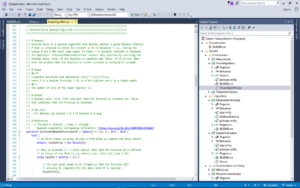
Whether you’re new to quantum development or you’ve got experience and want to see how your skills are improving, you won’t want to miss the Summer 2018 Q# Coding Contest, provided in collaboration with Codeforces.com.