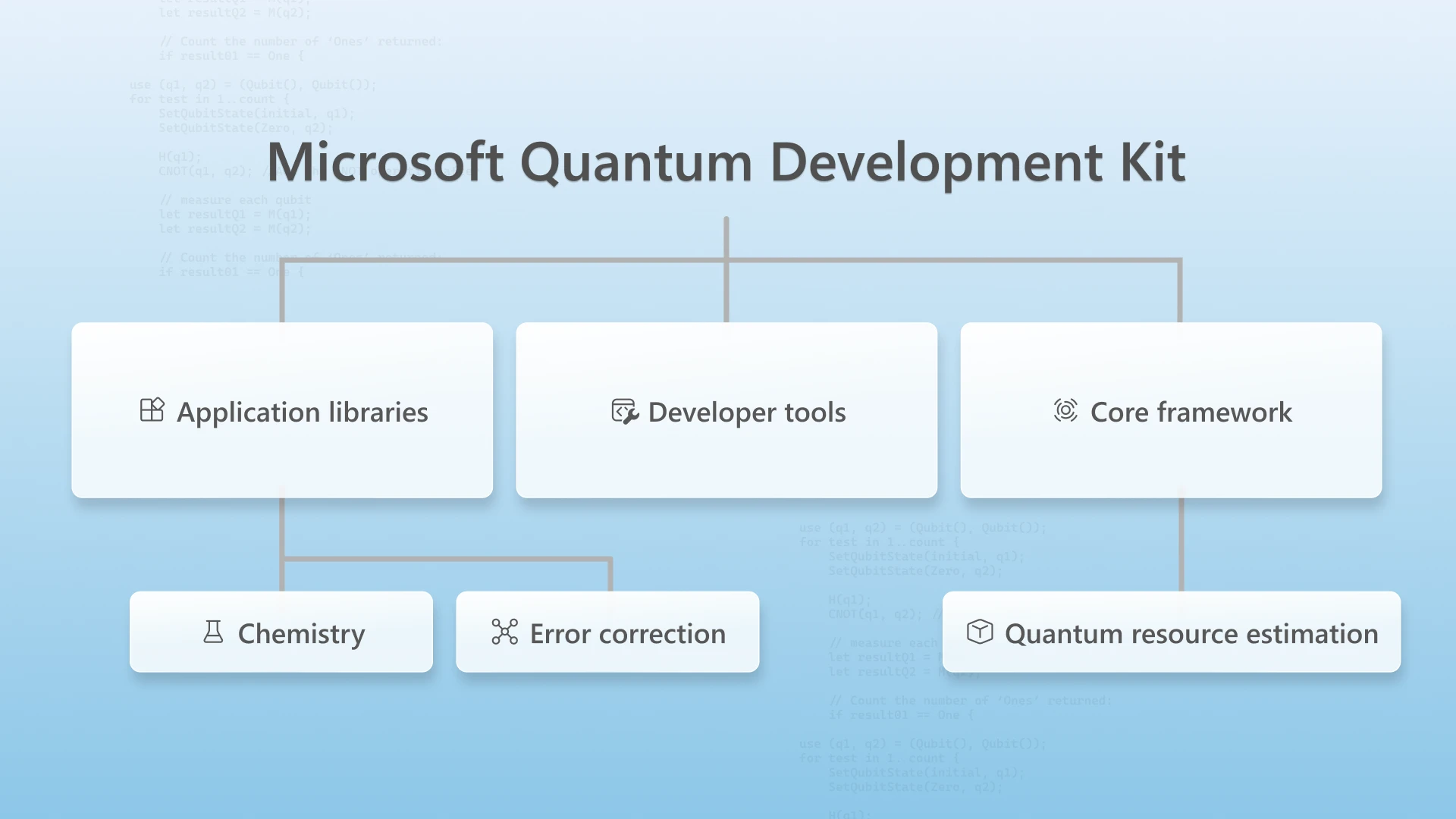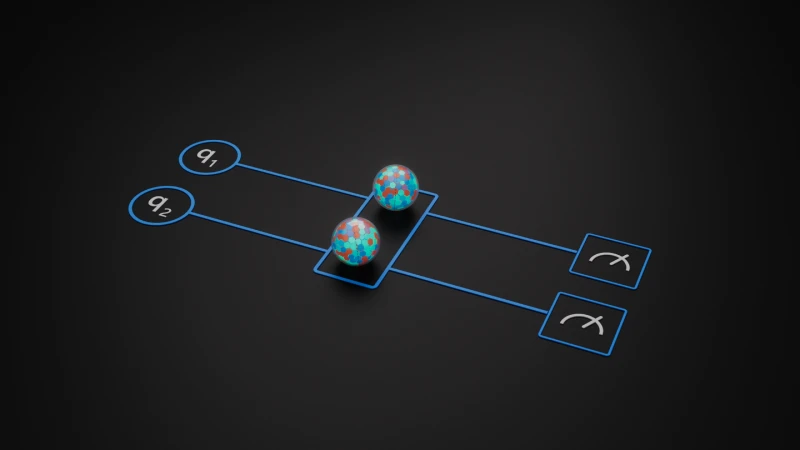
Vibrant ecosystems are a cornerstone of innovation for any emerging technology space. The field of quantum computing is no different. We’re excited to share several new Azure Quantum ecosystem updates aimed at empowering you to deliver impact with your applications, exploration, and research:
- Azure Quantum Credits to power your development.
- Direct connection from Quantum Python SDKs so you can use your favorite language.
- Jupyter Notebooks in the Azure Quantum Portal for free.
- Full-state cloud simulator to enable larger simulations.
- Open systems and stabilizer simulators for your complex simulation needs.
All of these exciting new capabilities that extend the value of the Azure Quantum ecosystem were announced at the June 30 Azure Quantum Developer Workshop 3. The Workshop also provided rich hands-on instruction for quantum programming and a great overview of our valued partner IonQ’s quantum hardware. To learn more, you can check it out on-demand.
Azure Quantum Credits
Applications are now open for the new Azure Quantum Credits program. This program is intended to help enable research and commercial impact with quantum hardware from Honeywell Quantum Solutions and IonQ today through the Azure Quantum ecosystem. In applying to the Azure Quantum Credits program, you may receive up to $10,000 of credits to use on Azure Quantum partner hardware. We will be awarding a limited number of credit grants, so be sure to get your applications in early. You can apply for Azure Quantum Credits by filling out and submitting an application form.
Direct connection from Quantum Python SDKs
Azure Quantum will soon enable quantum Python developers to directly send circuits to Azure Quantum. By integrating with major quantum Python SDKs, developers can use the tools they are familiar with to experience and interact with the Azure Quantum ecosystem. Standard “pip install” installation, streamlined authentication, and a simple integrated Python API will allow you to start sending existing and new Python quantum circuits to Azure Quantum hardware and simulators within minutes. As systems scale, Q#, also callable from Python, will continue to provide a robust developer environment abstracted from the hardware, allowing developers to focus on scalable quantum algorithms.
Jupyter Notebooks in the Azure Quantum Portal
Azure Quantum will soon include free access to Jupyter Notebooks directly in your quantum workspace. This enables you to quickly and easily get started with Azure Quantum. The integrated Notebooks experience will include curated samples for quantum computing and optimization. By using Notebooks directly in your quantum workspace, you will be able to develop Q# and Python applications and submit jobs to Azure Quantum without ever leaving the Azure Portal. You will also be able to upload your local Notebooks to the portal-based experience and download Notebooks from your workspace to continue your work locally using the Quantum Development Kit.
Full-state cloud simulator
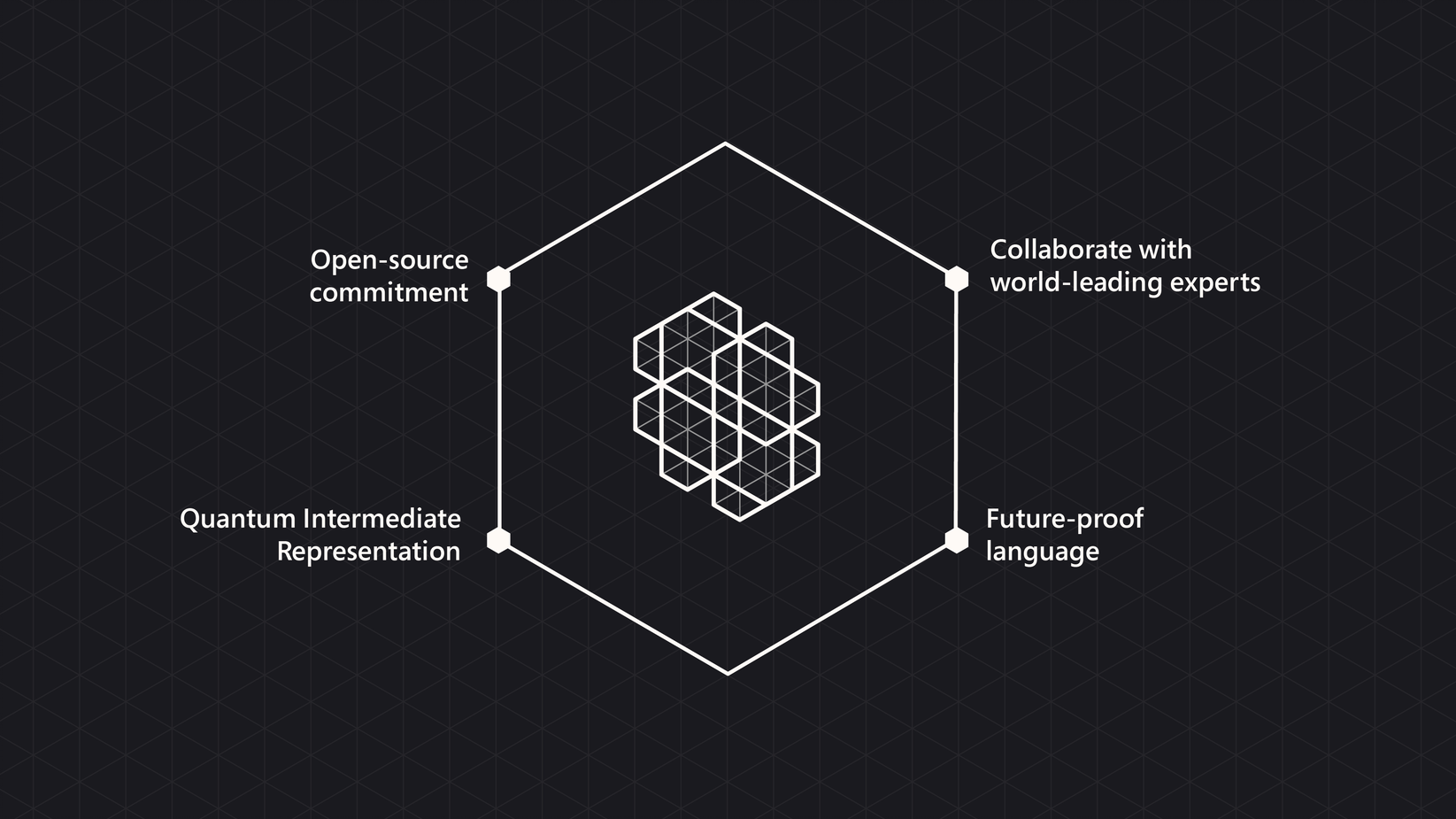
Along with local simulation tools in the Quantum Development Kit, we are introducing a cloud-based full-state simulator which will soon be available in Azure Quantum. The cloud-based full-state simulator will allow you to simulate larger quantum programs compared to local simulation. It’s built on top of QIR, an open-source LLVM-based quantum intermediate representation. QIR is an emerging standard to connect multiple quantum languages and multiple quantum targets. Azure Quantum users will have free access to the full-state cloud simulator, making it easier than ever to get started with quantum development in Azure.
Open systems and stabilizer simulators
With the new open systems simulator (available today in preview), you can simulate how your programs may run on hardware systems available today. The open systems simulator uses noise models defined in Python to represent how noise might manifest on hardware. This makes it an important and cost-effective tool for developing quantum applications and algorithms for today’s hardware.
This release also includes a preview of our new stabilizer simulation feature, allowing you to explore how some simple quantum programs work on 1,000 or more qubits.
The open systems and stabilizer simulators for Q# algorithms are available in preview today as part of the June 2021 release of the Quantum Development Kit. For more information, check out this Jupyter Notebook with a detailed example and see the documentation.
Get involved
Help develop our quantum future today. To sign up for early access to Jupyter Notebooks in the Azure Quantum Portal, full-state cloud simulator, direct connections from quantum Python SDKs and other exciting new features, please visit the Azure Quantum Early Access survey. And to help you get started and fund the most exciting projects, submit an application for Azure Quantum Credits today.
For additional information on these new development capabilities, the Azure Quantum Credits program, and more Azure Quantum ecosystem news and demos, you can watch the June 30, Azure Quantum Developer Workshop 3 on-demand.