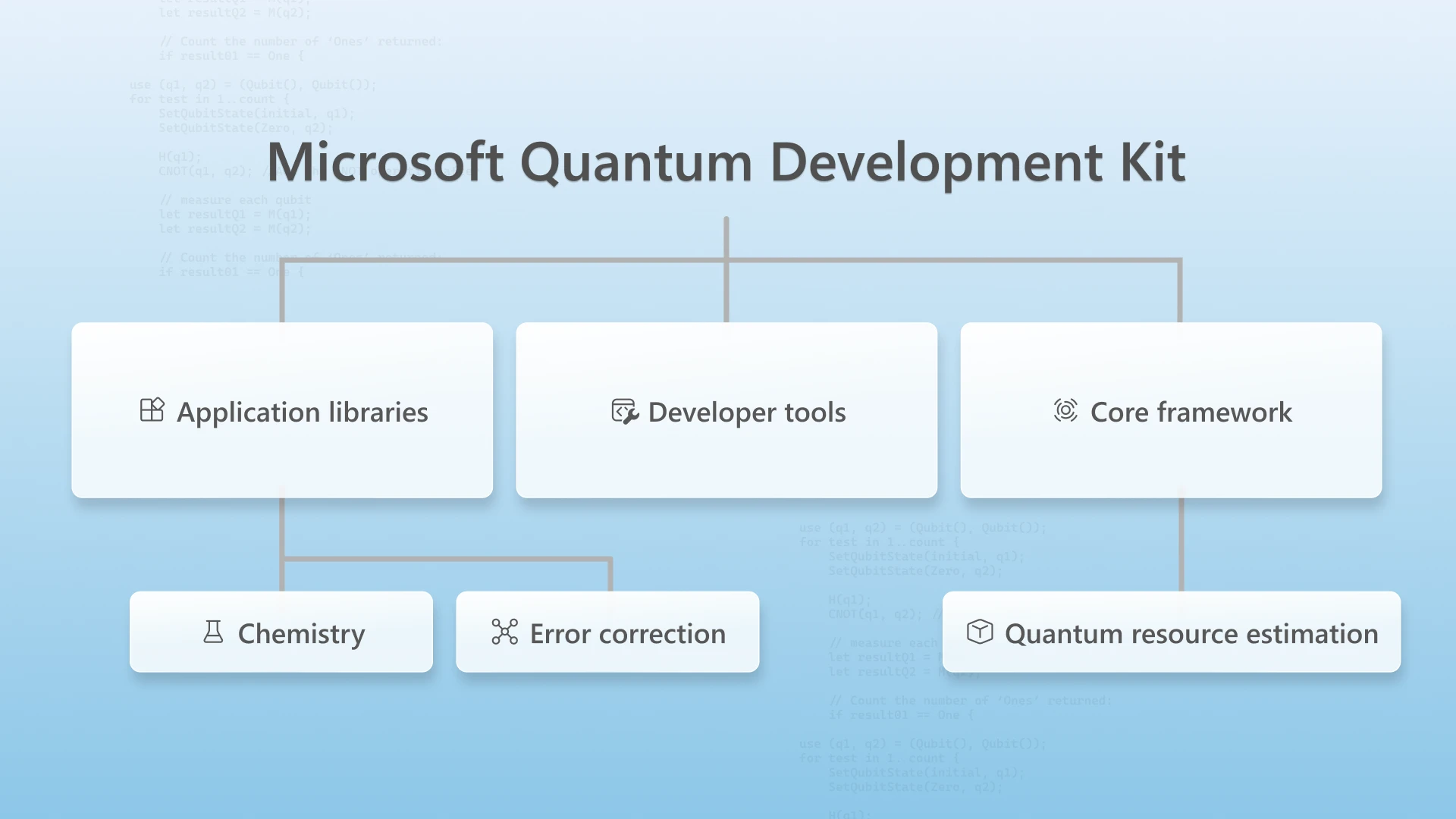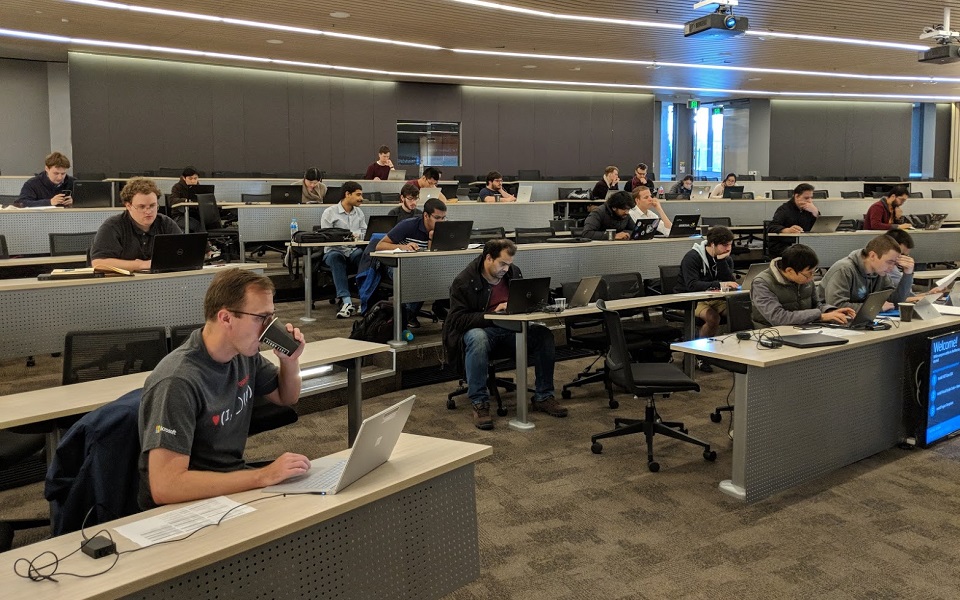
One of the most exciting things about building a community around the Microsoft Quantum Development Kit is bringing new people on board who share our passion for quantum programming. This July, we were proud to expand our community by co-hosting the Haquathon event with the University of Technology Sydney (UTS). With the help of our partners at UTS, we welcomed forty participants into the exciting world of quantum development using the Quantum Development Kit. We also introduced the Microsoft Quantum Katas, which are a series of self-paced tutorials on quantum computing and quantum programming.
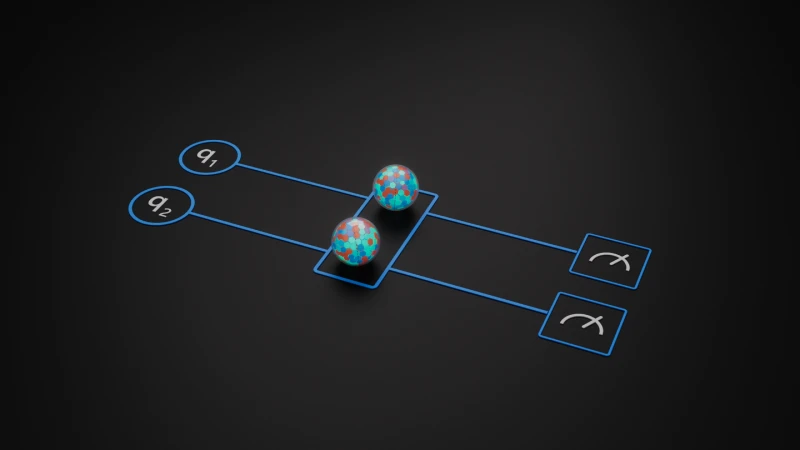
Each kata consists of a sequence of tasks exploring a particular theme or skill in quantum programming, such as the basic gates available to quantum programs, how to prepare states in superposition, and using measurements to extract classical information from quantum registers. The tasks in each kata progress from straightforward to challenging, providing feedback after each step to help identify and explain misunderstandings. During the Haquathon event, participants worked through tasks in the Quantum Katas, asking questions and helping each other learn as they began their journey to become quantum developers.
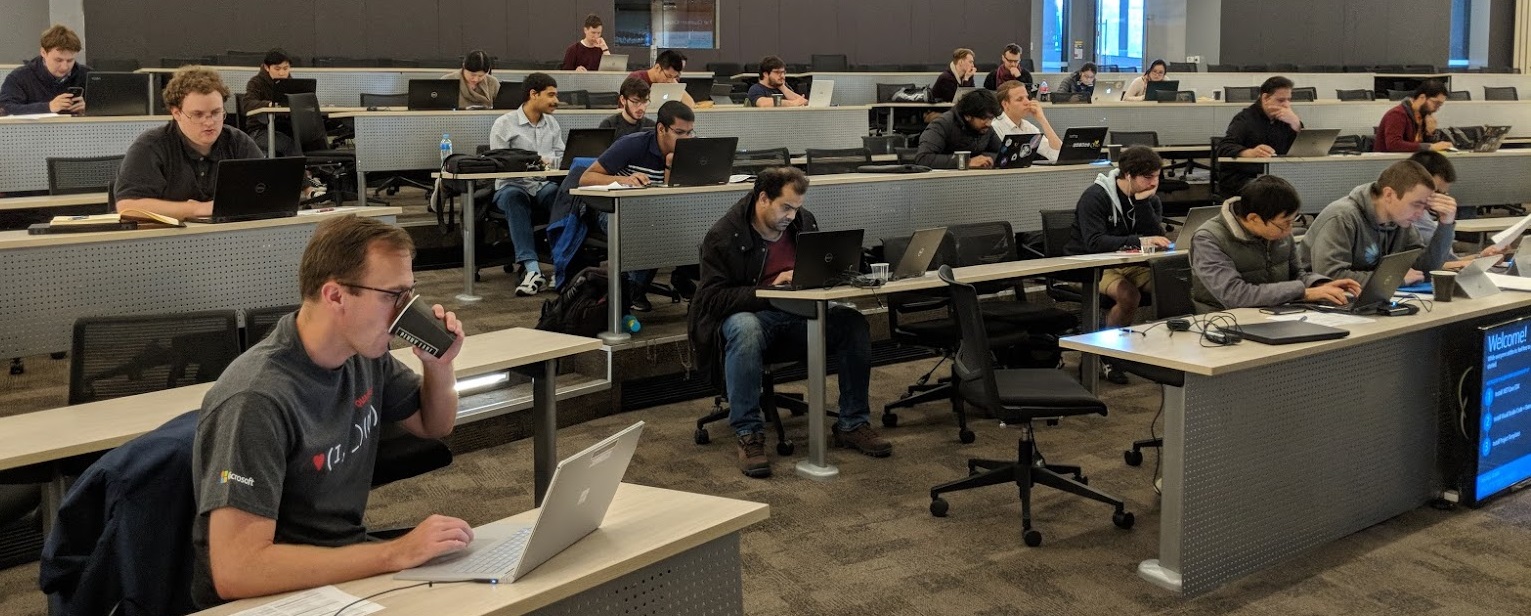
Events like the Haquathon are made truly wonderful by the range of backgrounds and experiences participants bring with them. The community is expanding beyond quantum research students, postdocs and faculty to now include participants who are entirely new to quantum. The feedback offered by the katas helped provide a smooth onboarding experience by integrating new techniques in classical programming alongside quantum computing concepts.
The BasicGates kata was helpful for participants learning about the qubit, basic instructions for quantum processors, and the notation to communicate these concepts. Meanwhile, the Superposition kata helped experienced quantum researchers gain familiarity with cross-platform quantum development on .NET Core, expressing quantum concepts in Q#, and decomposing complicated state preparation tasks into recursive descriptions. Participants of all skill levels learned valuable lessons in quantum programming, whether for academic research or simply for their own personal interest.
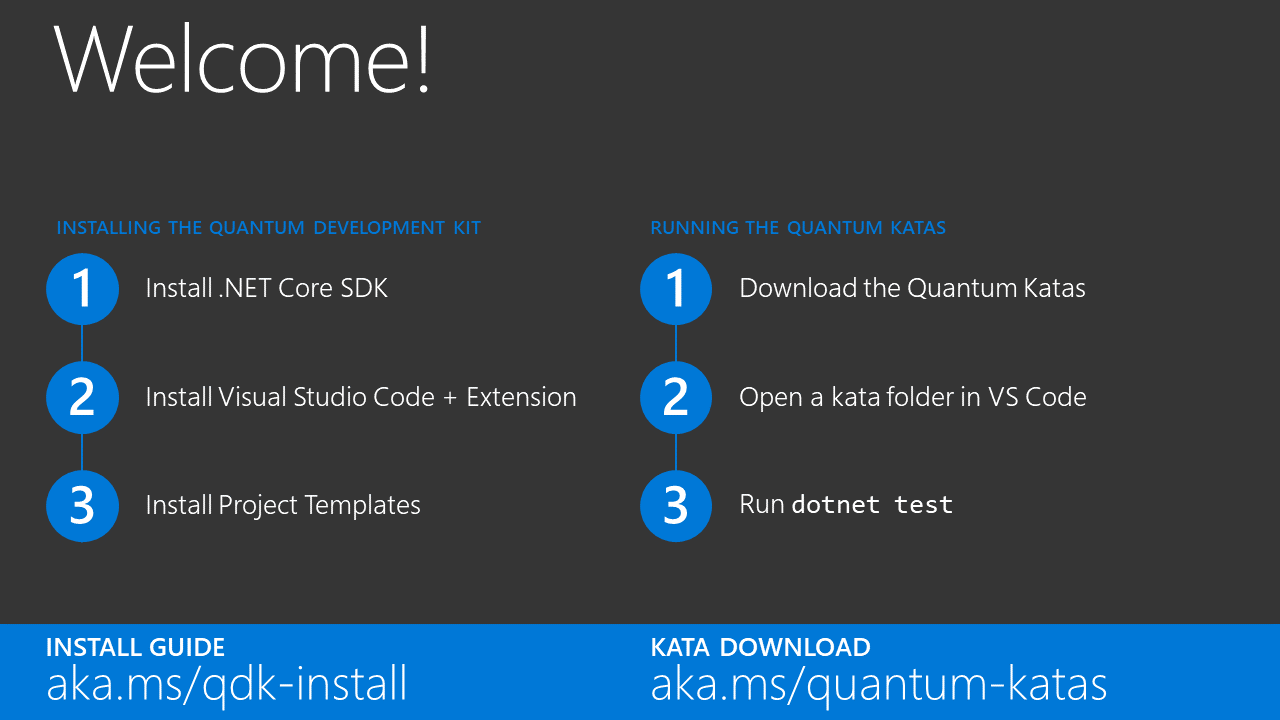
Even more exciting, all of the participants at the Haquathon were able to learn something from each other. The Microsoft Quantum team is constantly learning from the community, exploring bug reports, and integrating community contributions to make the Quantum Development Kit an even better tool for empowering quantum development.
An enterprise-scale quantum computer will offer the ability to address critical problems such as energy production and climate change. Microsoft has a long history of creating tools that empower people to solve the problems they’re most passionate about, and the Quantum Development Kit is one of the latest entries in that tradition. Building and programming quantum computers to solve society’s critical problems is a challenging task that requires a diversity of ideas expertise. Through our continued support for events like the Haquathon, we’re building an inclusive community to meet those challenges head-on.
If you weren’t able to join us in Sydney, no worries! We’re always adding new events. In the meantime, the Quantum Development Kit and Quantum Katas are available for anyone to pick up and learn at their own pace.
- Learn more about the Microsoft Quantum Development Kit
- Explore the Microsoft Quantum Katas
- Stay informed about future events by following us on Twitter and Facebook