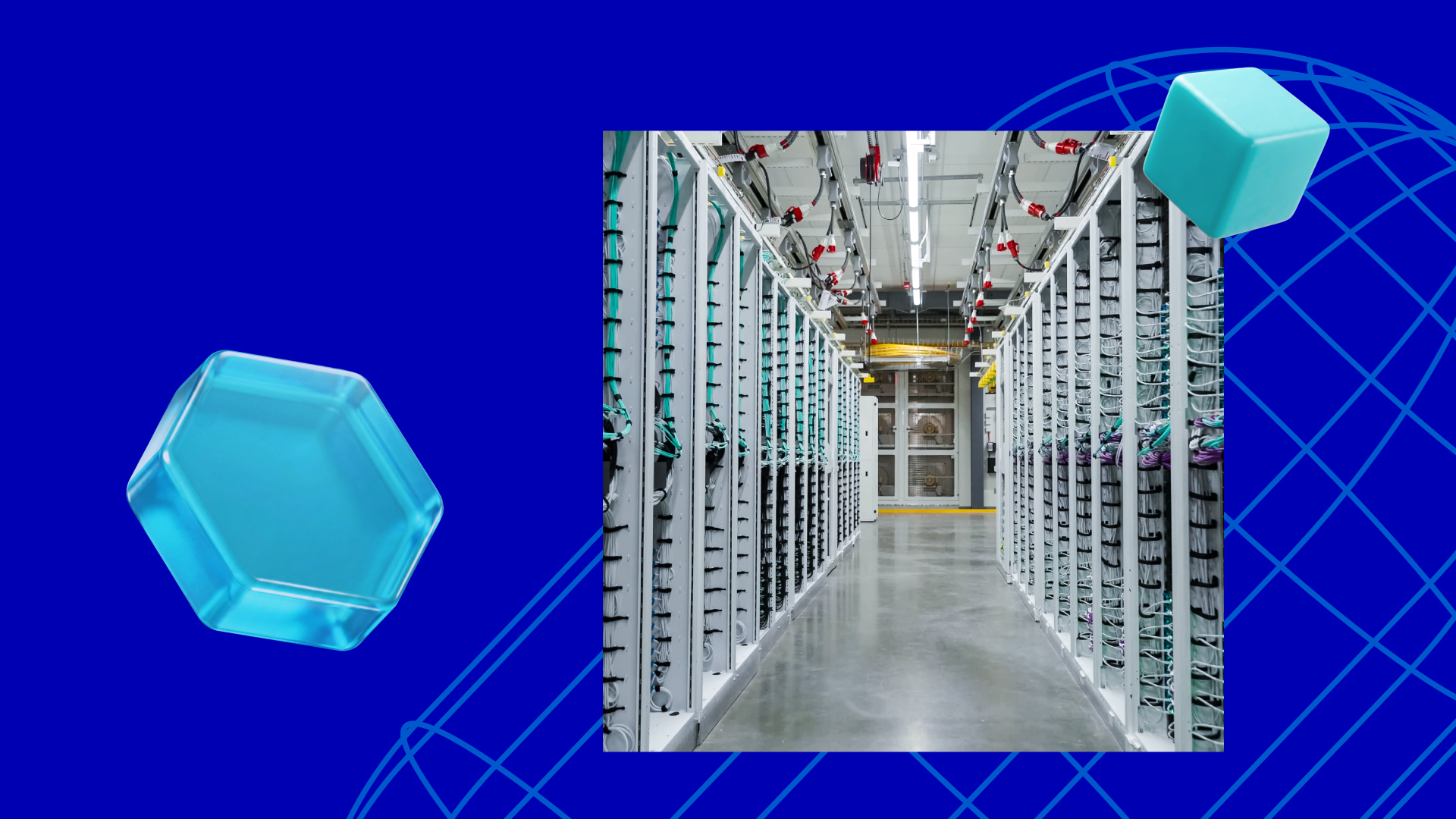
In December 2017, we announced general availability of the Azure M-series virtual machines (VM). These VMs host on the most powerful cloud hardware that is available across all public cloud providers. They deliver configurations up to 128 vCPUs and 4TB RAM for a single VM! Over the past few months, we have seen customers adopt and utilize M-series VMs for high-end database workloads based on SQL Server, Oracle, and other DBMS systems, even already move entire SAP landscapes into Azure.
Microsoft, as a customer of SAP, led the early adoption path by completing our own migration of Microsoft’s SAP landscape into Azure, including our 14TB SAP ERP systems which runs Microsoft’s most critical business processes on the M-series M128s VM for this application's SQL Server DB.
To accommodate even more demanding workloads Azure has invested into accelerating database system performance with optimizations for critical write I/O, exclusively on Azure M-series VMs. Azure Write Accelerator is functionality we recently released for M-series VMs. This has been proven to accelerate performance for critical, transactional log writes that require sub-millisecond latency.
We have been working with SAP over the last few months to leverage and certify Azure M-series VMs for their SAP HANA database, utilizing these capabilities. Today, we are excited to announce that M-Series VMs are certified by SAP for SAP HANA production workloads in the following categories:
|
VM type |
vCPUs |
Memory in GiB |
SAP HANA workload |
|
M64s |
64 |
1024 |
OLTP and OLAP |
|
M64ms |
64 |
1792 |
OLTP |
|
M128s |
128 |
2048 |
OLTP and OLAP |
|
M128ms |
128 |
3892 |
OLTP |
For exact scenario description, please refer to SAP’s Certified IaaS Platforms webpage. The entries for M-series are expected to be published by SAP in the next few days.
Currently, M-series SAP HANA certification is limited to scale-up scenario, with scale-out certification actively underway. For SAP sizing information using these different M-series VM types, check SAP Note #1928533 – SAP Applications on Azure: Supported Products and Azure VM types (SAP login required). In addition to certification, we have conducted SAP benchmarks that reinforce and document the impressive performance of our M-series VMs for SAP workloads that rely upon SAP HANA.
With M-series VMs, you not only have SAP HANA certified high-performance virtual machines, but also the cloud scale on-demand and agile deployment capabilities of Azure. We recommend you watch the Microsoft Mechanics video below to learn how you can automate and deploy SAP HANA based landscapes in minutes. Learn and experience how Write Accelerator improves database write performance and leverage the power of M-series in Azure today.
For more information on utilizing M-series VMs for SAP HANA, read the article, SAP HANA on Azure operations guide. Even during our coordination and pre-certification phases with SAP, Microsoft was working with customers to diligently test and validate our M-series VMs under SAP HANA workloads.
These efforts were even broader to fully validate and move their production S/4HANA systems using M-series. Based on these experiences, Microsoft assessed the quality, reliability, and performance of the different M-series virtual machines and feel confident in our delivery to meet your expectations.
Hosting SAP HANA on Azure is not limited to the M-series VMs. Beyond M-Series virtual machines, Azure also offers SAP HANA on Azure Large Instances which expand scale-up capacities up to 20TB and scale-out volumes for OLAP up to 30TB with our market leading, BareMetal offerings.
Azure M-series VMs are available in the following Azure regions: East US 2, West US 2, West Europe, UK South, Southeast Asia, US Gov Virginia, and with more regions launching globally. To learn more about migrating SAP applications to Azure, download our SAP Migration whitepaper. For more information about running SAP workloads on Azure we recommend you start here.