Late last year, we’ve announced the general availability of Azure Dedicated Hosts. This blog provides an update regarding the new and recently added capabilities since we introduced Azure Dedicated Hosts in preview.
Azure Dedicated Host provides a single-tenant physical server to run your Azure Virtual Machines for Windows Server and Linux. With Azure Dedicated Host, you can address specific compliance requirements while increasing visibility and control over your underlying infrastructure.
What’s new
Save costs with Azure Dedicated Hosts reservations
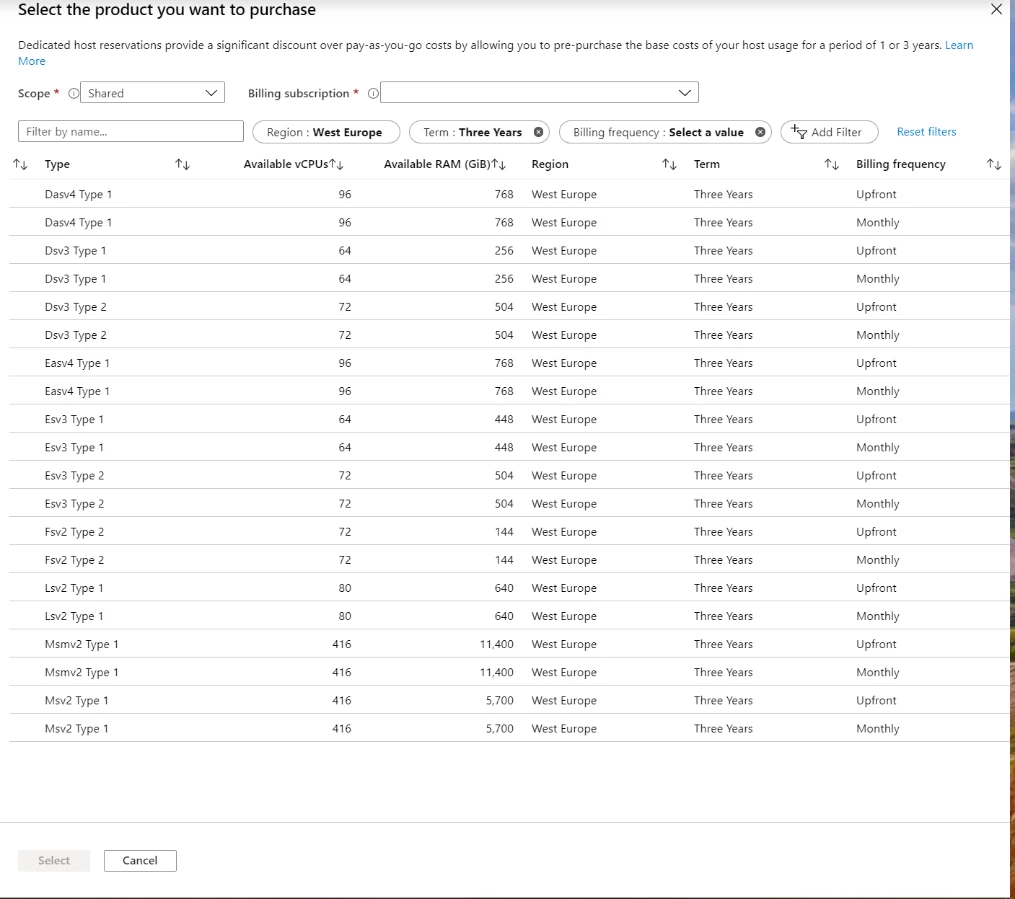
We recently introduced the ability for you to purchase Azure reservations for Dedicated Hosts. You are now able to reduce costs by buying Azure Dedicated Hosts reservations. The reservation discount is applied automatically to the number of running dedicated hosts that match the reservation scope and attributes. You don’t need to assign a reservation to a specific dedicated host to get the discounts. You may also delete and create hosts and have the reservation apply to the hosts already deployed at any given time.
The Azure Dedicated Hosts pricing page contains the complete list of Dedicated Hosts SKUs, their CPU information, and various pricing options including Azure reservations discounts.
Azure Dedicated Host SKUs, unlike Azure Virtual Machines, are defined based on the virtual machine (VM) series and hardware generation. With Azure Dedicated Hosts, your reservation will automatically apply to any host SKUs supporting the same VM series. For example, if you acquired a reservation for Dsv3_Type1 dedicated host, you would be able to use it with Dsv3_Type2 dedicated hosts.
Maintenance control for platform updates supports Azure Dedicated Hosts
The maintenance control feature for Azure Dedicated Hosts gives control over platform maintenance operations to customers with highly sensitive workloads. Using this feature, customers can manage platform updates that don’t require a reboot. Maintenance control batch updates into one update package and gives you the option to delay platform updates and apply them within a 35-day rolling window.
You can take advantage of this new capability, by creating a maintenance configuration object and then apply it to your dedicated hosts. Then, you can check for pending updates and apply them at the host level. All VMs assigned to the host will be impacted at the same time.
Prior to applying the maintenance, you can check the impact type and expected duration of the impact

To learn more, refer to our documentation Control updates with Maintenance Control.
More options with new SKUs
Since the preview was announced, we have added support for additional VM series and host types. We’re currently supporting both Intel and AMD SKUs with a variety of VM series: Dsv3, Esv3, Dasv4, Easv4, Fsv2, Lsv2, and Msv2. This will enable our customers to run a broad range of workloads on Dedicated Hosts including and not limited to general purpose or memory, storage, and compute intensive applications.
Visit the Azure Dedicated Host pricing page to learn more about these new SKUs and the options available to you.
Resource Health Activity Log Alerts for Dedicated Hosts
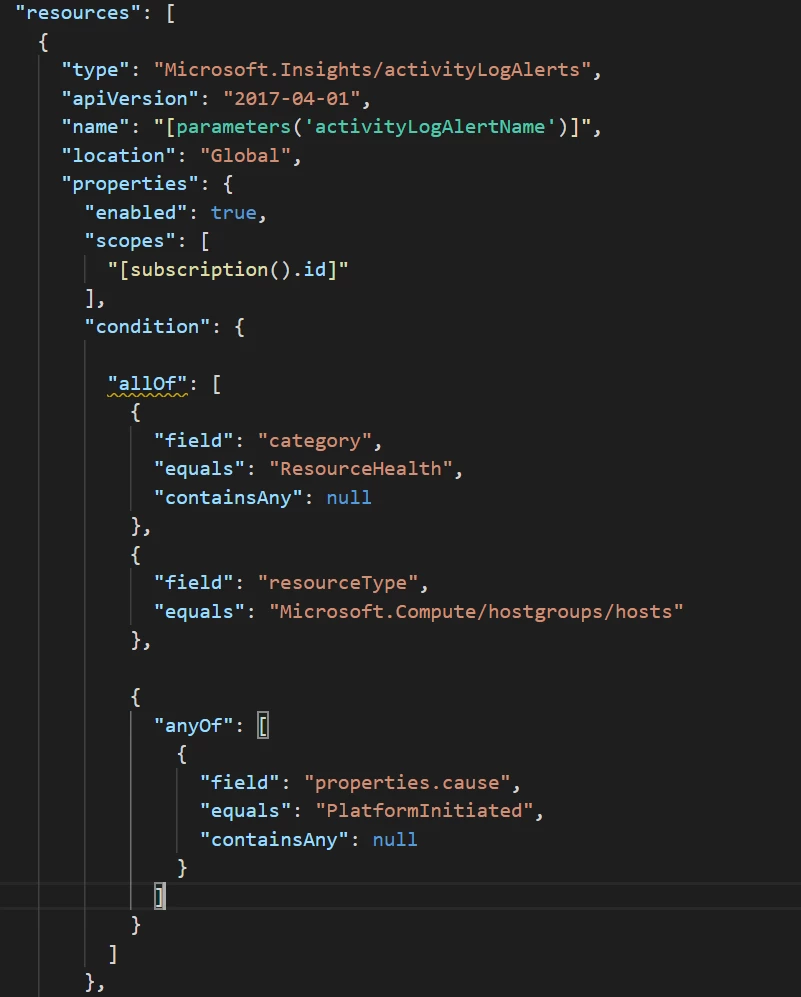
Azure Resource Health alerts can notify you in near real-time when your dedicated hosts experience a change with respect to their health status. Creating Resource Health alerts programmatically let users create and customize alerts in bulk. You can create an action group and specify the steps to take once an alert is triggered. Follow the steps to create activity log alerts using Azure Resource Manager Template and remember to modify the template to include resources of type dedicated hosts.
Get started
Start by visiting the Azure Dedicated Host page, read more in the documentation page, or watch a video introduction to Azure Dedicated Host.
Deploy Dedicated Host using Azure CLI, the Azure portal, Azure REST API, or Azure PowerShell.