
What is IoT?
It's your equipment, machines, products, and devices that are connected to the cloud and outfitted to collect and securely transmit data.

What is Internet of Things (IoT) and how can it help your business?
IoT enables your organization to analyze and act on data, allowing you to make smart decisions in real-time. With the timely and relevant insights about your business and customers that come with these new sources of data, there's great potential for industries of all kinds—including manufacturing, transportation, energy, agriculture, retail, and government—to operate more efficiently and provide new value to customers by implementing the right IoT solution.
What is the Internet of Things used for?
In short, IoT lets you solve your business problems using your own data. The Internet of Things isn't just about connected devices—it's about the information those devices collect and the powerful, immediate insights that can be garnered from that information. These insights can be used to transform your business and lower costs through improvements like reduction of wasted materials, streamlined operational and mechanical processes, or expansion into new lines of business that are only made possible with reliable real-time data. Create a real competitive advantage by using IoT to turn your data into insights and turn those insights into action.
What are some IoT examples?
Remote monitoring
Monitor almost any kind of asset—including heavy machinery, vehicles, and even livestock—almost anywhere, either continuously or at regular intervals. By tracking location, performance, condition, or environmental factors, the insights you gain from IoT-connected things may help you:
- Reduce your service costs and refine your business processes.
- Understand how your products are performing to provide a better experience for your customers.
- Increase the number of appointments per day, cut fuel costs, and reduce wear-and-tear by using machine learning capabilities to route freight or vehicles more efficiently.
Know where your resources are at any given moment—down to which vehicle they’re on—for improved field service, stronger security, and increased employee safety.

Predictive maintenance
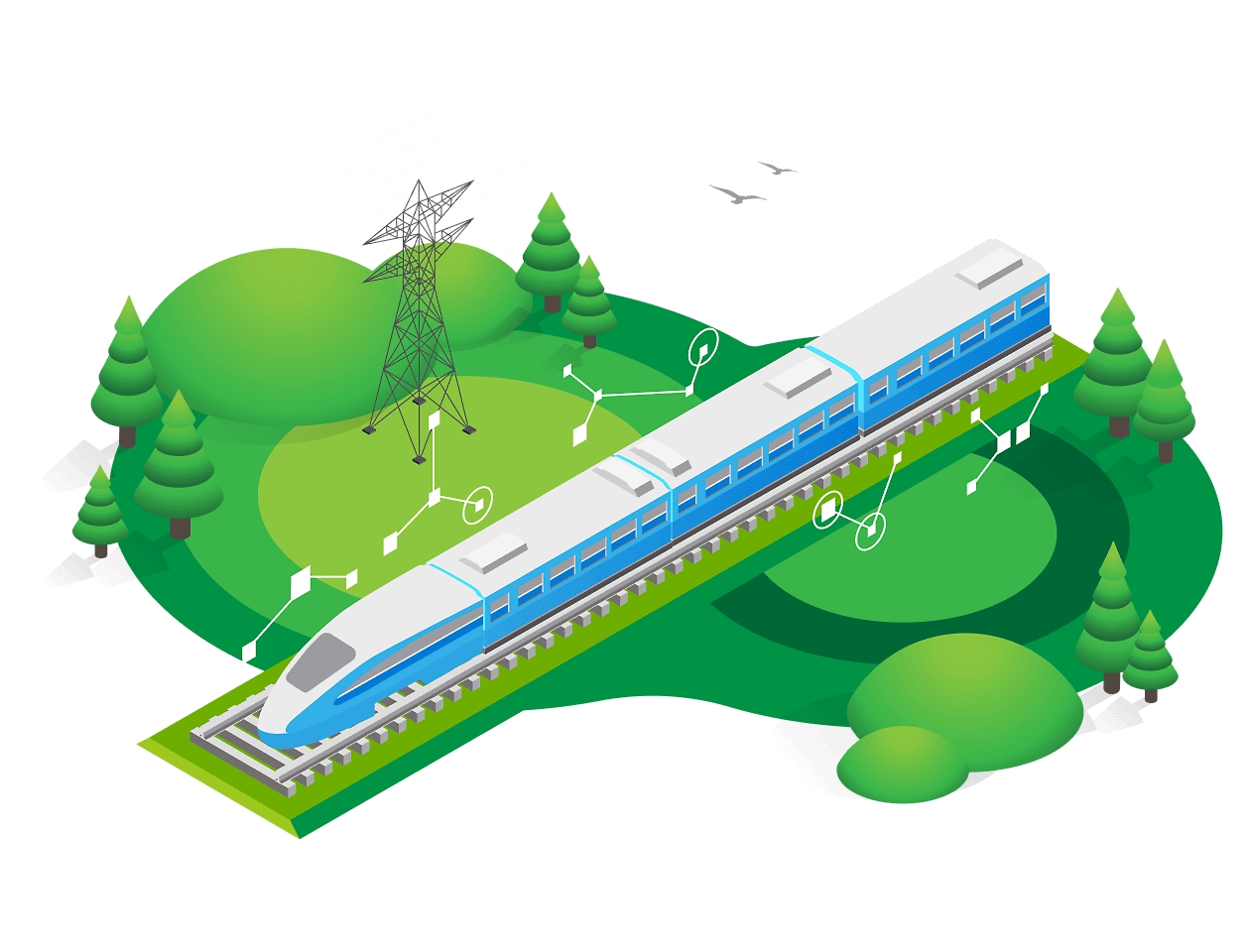
Similar to remote monitoring, predictive maintenance incorporates machine learning software that analyzes data to predict outcomes and automate actions. Predictive capabilities allow service providers to move beyond the traditional reactive and scheduled maintenance business model and use their data to identify issues before they become critical. This gives technicians the opportunity to intervene before customers even realize there's a problem. Armed with this information, you're able to:
- Figure out what mechanical or operational conditions are causing failures or slowdowns.
- Better predict what spare parts to keep in your inventory before repair issues arise.
- Move beyond a break/fix business model by preventing equipment failures through preventative maintenance.
Facilities management
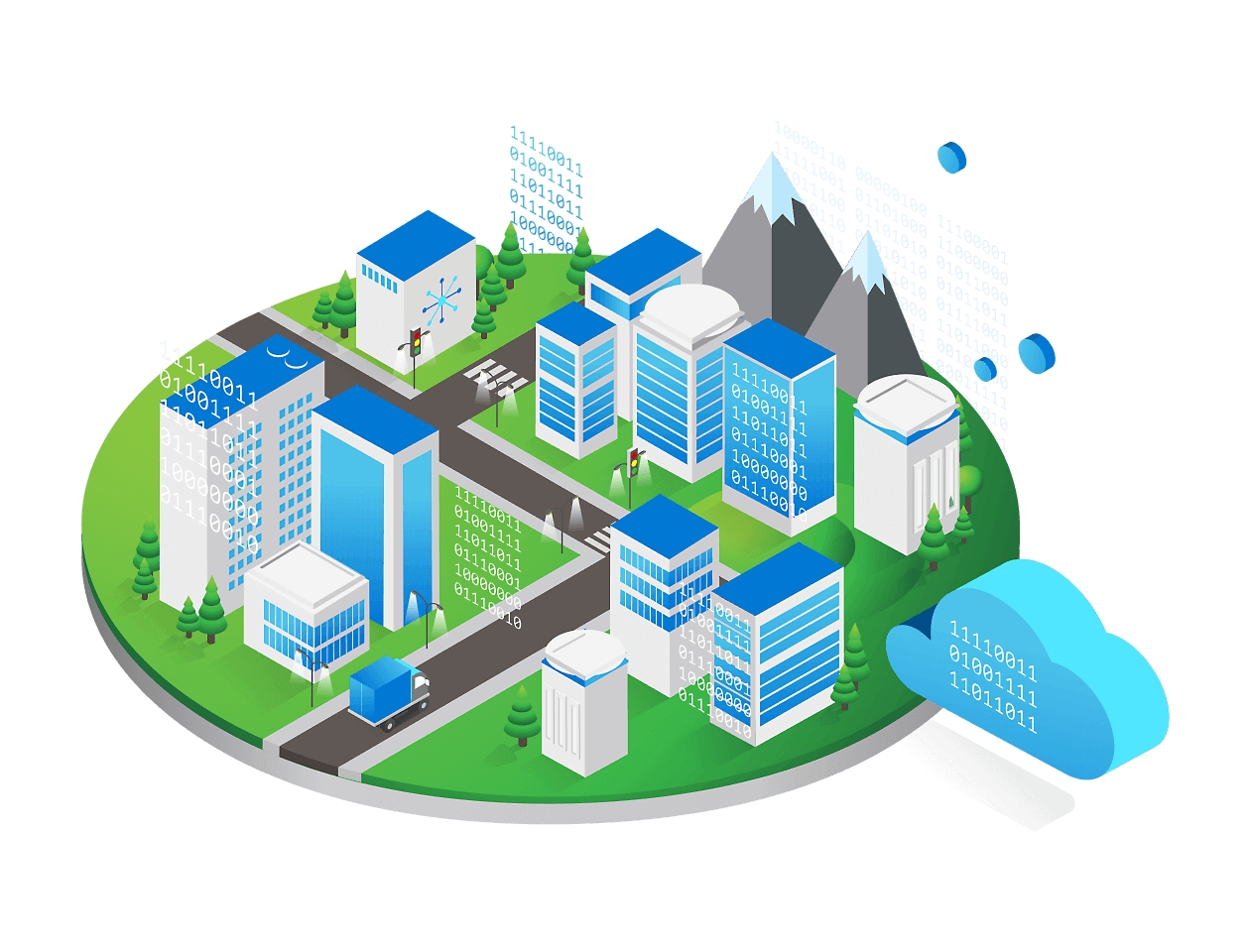
This IoT scenario is focused on monitoring your buildings, infrastructure, and other spaces, allowing you to improve energy efficiency, space utilization, productivity, and safety using the data you collect. The insights you gain may help you:
- Save money by automating lighting or optimizing heating and cooling cycles.
- Increase employee or occupant satisfaction by keep equipment running or ensuring that supplies are stocked.

Manufacturing efficiency
What is the internet of things used for in manufacturing? Every business is different, but many manufacturing processes share a common pathway from raw materials to finished products. With IoT, it's possible to learn from your own systems find new ways to manage your processes and product quality with data from your devices and sensors. With these data insights, you're able to:
- Identify bottlenecks that reduce efficiency, enabling you to improve your process.
- Reduce downtime caused by unplanned maintenance or equipment failure.
- Eliminate substandard materials, parts, or errors before your product is complete.
- Reduce downtime caused by unplanned maintenance or equipment failure.
Connected products
Connected products have smart, connective components that allow data to be exchanged between the product and its user, manufacturer, or environment. Related IoT solutions may help you build smart factories with new functionality, greater reliability, and higher product utilization. Using connected products, you're able to:
- Streamline the development and maintenance of your products.
- Provide more secure, connected experiences for your customers.
- Create new lines of business with managed service and support.
- Monitor how products perform to improve design, manufacturing, and reliability.

What is IoT beneficial for?
Organizations that invest in the Internet of Things are able to deliver more value, including more personalized customer engagement, less waste of materials and labor, and increased operational efficiency. As data is collected and analyzed, new trends may even reveal new revenue opportunities. Because of these benefits, trends indicate that IoT use is both rapidly diversifying and becoming more commonplace.
Of IoT decision-makers surveyed:
-
91%
have adopted IoT in 2020.
-
90%
believe IoT is critical to their company's continued success.
-
64%
plan to implement even more IoT in the future.


Get started with IoT
Whether your company has the resources to plan and implement an IoT solution on its own or needs to work with a partner, the basic steps for a successful IoT deployment are usually the same:
1

Define Internet of Things business cases.
2

Work with an empowered team that represents OT, IT, and management.
3

Start small, working your way up in terms of scope and complexity after you’ve achieved initial success.
Define Internet of Things business cases
Rethink your current IoT-enabled business model or develop a new model that better supports how you interact with your customers.
Discover the right IoT insights for your business
Extract information from massive amounts of data with cloud analytics so that it's readily available and easily categorized. Use this information to better understand how your products or services are performing. Incorporate cloud analytics using fully managed IoT services that provide deeper insights to drive faster decision-making.
Start small—but think big
Gain new business insights using the equipment you already have and the right IoT solution. Start small, scale up at your own pace, and grow your business with secure, innovative IoT services.
Learn about IoT technologies and protocols
Develop a strong foundation in IoT to make the best choices for your project. Learn more about IoT technologies and protocols.
Accelerate your business transformation with IoT
Reduce complexity, lower costs, and speed up your time to market with fully managed IoT services.
Secure your IoT solutions
What is Internet of Things security and how is it different from regular cybersecurity? In short, IoT cybersecurity adds an extra layer of complexity as the cyber and the physical worlds converge. For this reason, it's important to monitor everything connected to your IoT solution and make sure to have threat monitoring in place to get alerts and address threats quickly. Learn more about Azure IoT security.
Take your IoT solutions from device to cloud
Build according to your needs with solutions for devices at the edge, in the cloud, and connected to your line-of-business systems. Edge computing lets data to be processed closer to where it's generated, enabling you to analyze that data closer to real-time. Cloud computing is a model in which servers, applications, data, and other resources are integrated and provided as a service over the Internet. Learn more about cloud computing.
Frequently asked questions
-
Simply put, the term Internet of Things refers to the entire network of physical devices, tools, appliances, equipment, machinery, and other smart objects that have the capability to collect data about the physical world and transmit that data through the internet.
-
On a basic level, IoT is used for collecting data about the physical world that would be very difficult or impossible for humans to collect without the aid of smart devices and monitoring systems. Insights derived from the data collected by these devices allow people to understand, monitor, and react to events or changes.
-
Internet of things devices come in all different forms and are used for a variety of different things—from helping individuals with day-to-day tasks to helping large organizations streamline operations and meet business goals. Things like smart appliances, smart lights, and smart door locks are all examples of IoT that you might find in someone's home. Examples of commercial and industrial IoT devices include things like smart factory or farming equipment, smart vehicles, and even entire connected factories, warehouses and buildings.
Explore Azure IoT solutions by industry
See use cases and internet of things examples by industry


Discover Azure IoT services


Start building with Azure
Try Azure cloud computing services free for up to 30 days, or get started with pay-as-you-go pricing. There's no upfront commitment—cancel anytime.