Every day in the hallways at Microsoft, I hear product teams discussing where agents are headed and how software is forever changed. Many of us come into the office more now, and I didn’t realize how much I missed the in-between moments where natural chat gives us energy—coffee and hot takes on the way to meetings and debating at a lunch no one scheduled, but somehow nobody wants to leave. The people who work on Microsoft Azure, Microsoft Foundry, and Microsoft Fabric care deeply about what they’re building—about how cloud and AI platforms can be better for those with hands on keyboards—it’s when we’re unscripted that some of our best insights surface. How could we bottle up this passion?
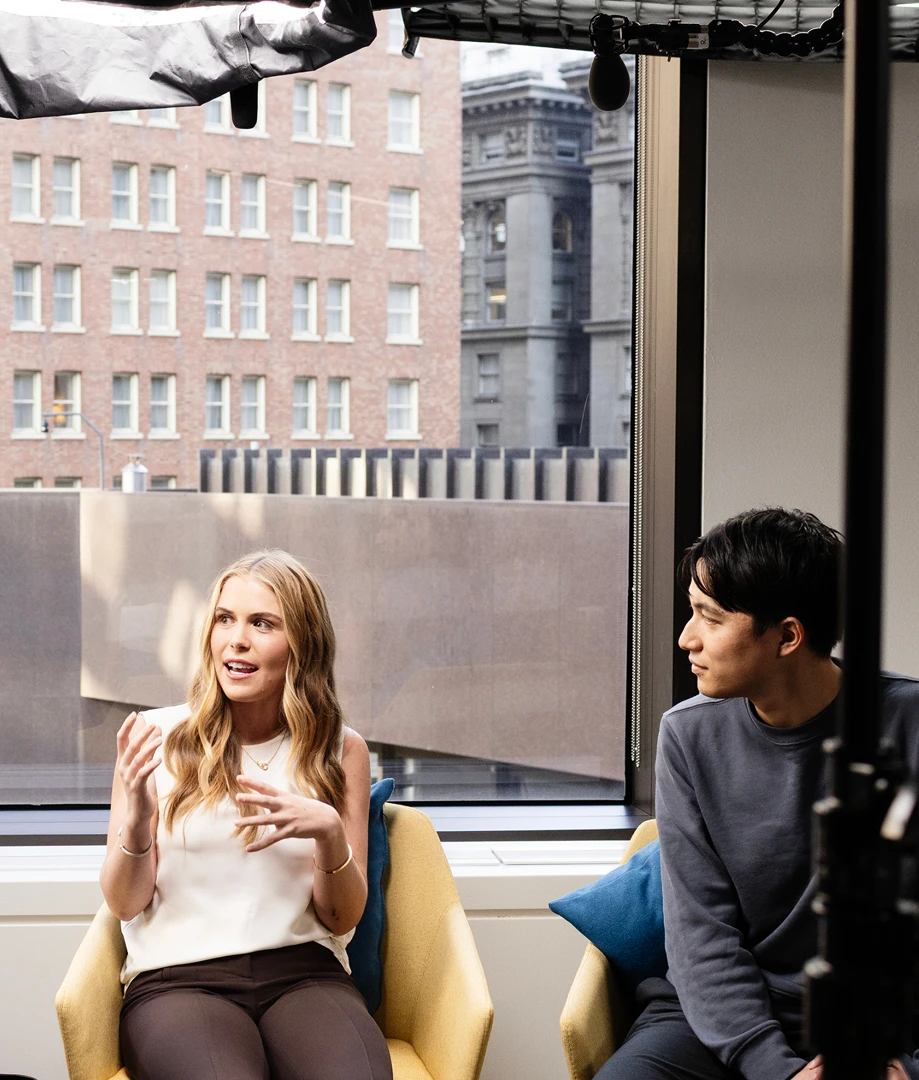
Today we’re introducing “The Shift” podcast, an evolution of “Leading the Shift,” to share more dialogue. Grounded in questions we heard from you after announcements at Ignite, we’re releasing eight episodes this spring—one each week—that bring engineering, product, and strategy perspectives together. Across levels and backgrounds, this season’s agentic theme explores agents up and down the stack. Knowing change is the only constant, “The Shift” creates space for us all to think out loud.
Here’s a sneak peek of the new season
Topics we’ll explore weekly
- Are my agents hunting for data?
- How do agents work together?
- Wait, my agent needs a database?
- Is context engineering the new RAG?
- What senses do my agents need to act?
- Is Postgres the wave of the future?
- Should my IT team hire agents?
- How do we draw agentic borders?
Agents don’t succeed in isolation. They depend on how your data is unified, how your cloud handles scale, how your applications orchestrate across systems, and ultimately, how this serves people. At Microsoft, we see agents as catalysts for innovation across your entire environment, performing best when layers of the stack work together. That’s where the toughest challenges for technical teams emerge: observability, governance, security, optimization, and quality. It’s a team sport.
Your data strategy determines what your agents can reason over. Your cloud foundation determines what you can do reliably. Your agents and AI app experiences deliver business outcomes. Our colleagues and friends featured on The Shift are solving for these interdependencies. And what they all have in common is conviction that none of this works in pieces.
Our first episode, “Are my agents hunting for data?” drops tomorrow. We’ll sit with Ronald Chang, Dipti Borkar, Josh Caplan, and Cillian Mitchell from the Microsoft Fabric and Microsoft OneLake teams to cover why data preparation is essential to fueling agents with knowledge. And it’s perfect timing with Microsoft Fabric Community Conference next week in Atlanta. I hope you’ll join us to keep this conversation going.
Subscribe today on YouTube, Spotify, Apple Podcasts, Amazon Music, RSS.com, or wherever you listen and learn.
The agentic shift starts here
Follow us on YouTube to get the latest episodes.