Microsoft researchers studied the resources required to implement quantum algorithms for factoring large integers and for computing discrete logarithms in the context of elliptic curve cryptography (ECC).
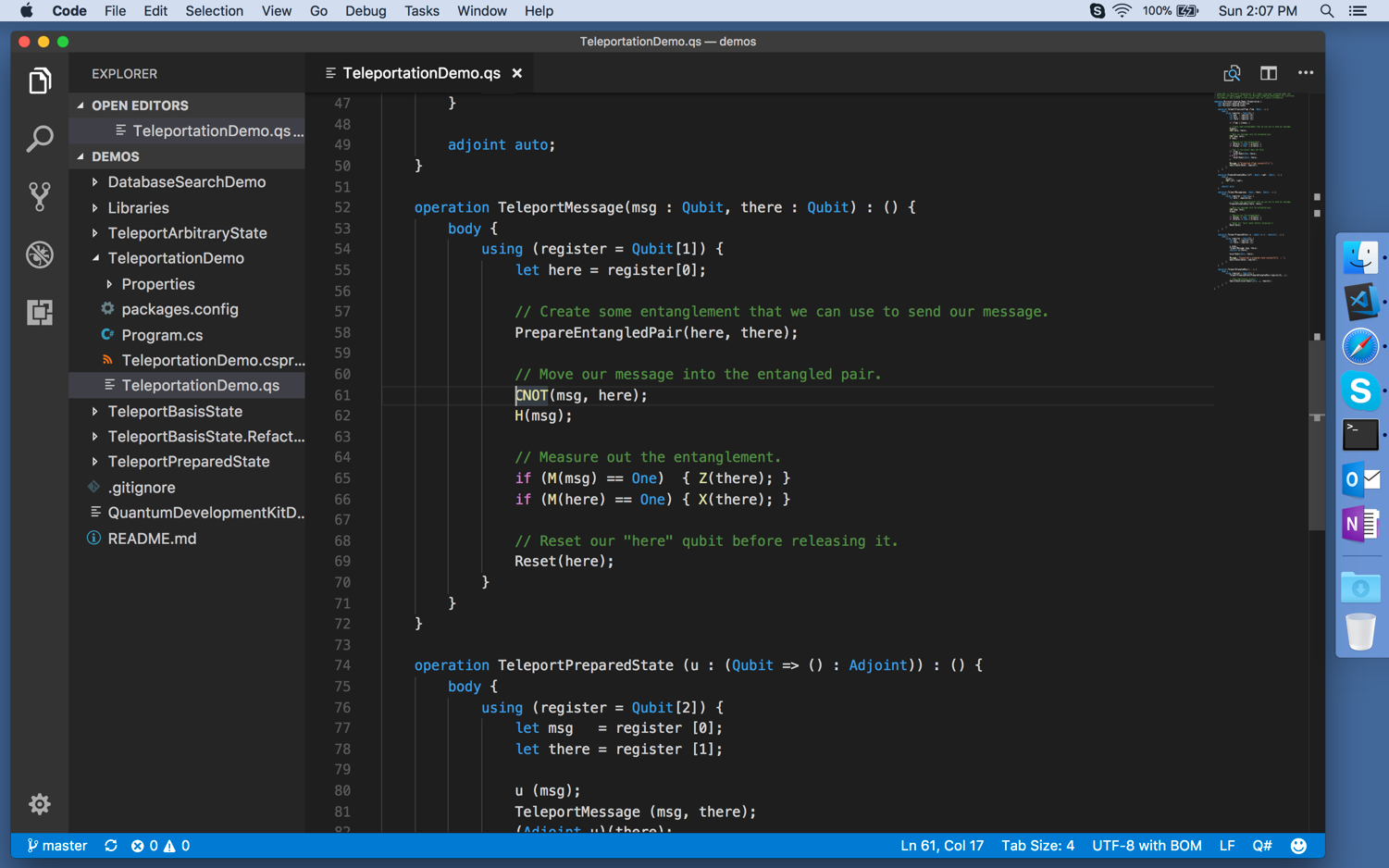
The latest updates to the Microsoft Quantum Development Kit adds support for macOS and Linux, additional open source libraries, and interoperability with Python.
Just a few months back, Microsoft CEO Satya Nadella shared our vision of empowering the quantum revolution with bold investments towards a scalable end-to-end solution, revolutionary topological approach, and a global team.
For more than a decade, a team of researchers, engineers and developers at Microsoft has been working on quantum computing, a new model of computing that promises exponential increases in processing power and could help scientists tackle questions previously considered unanswerable—on topics ranging from climate science and medical research, to the human genome and economics.
We show how a quantum computer can be employed to elucidate reaction mechanisms in complex chemical systems, using the open problem of biological nitrogen fixation in nitrogenase as an example.
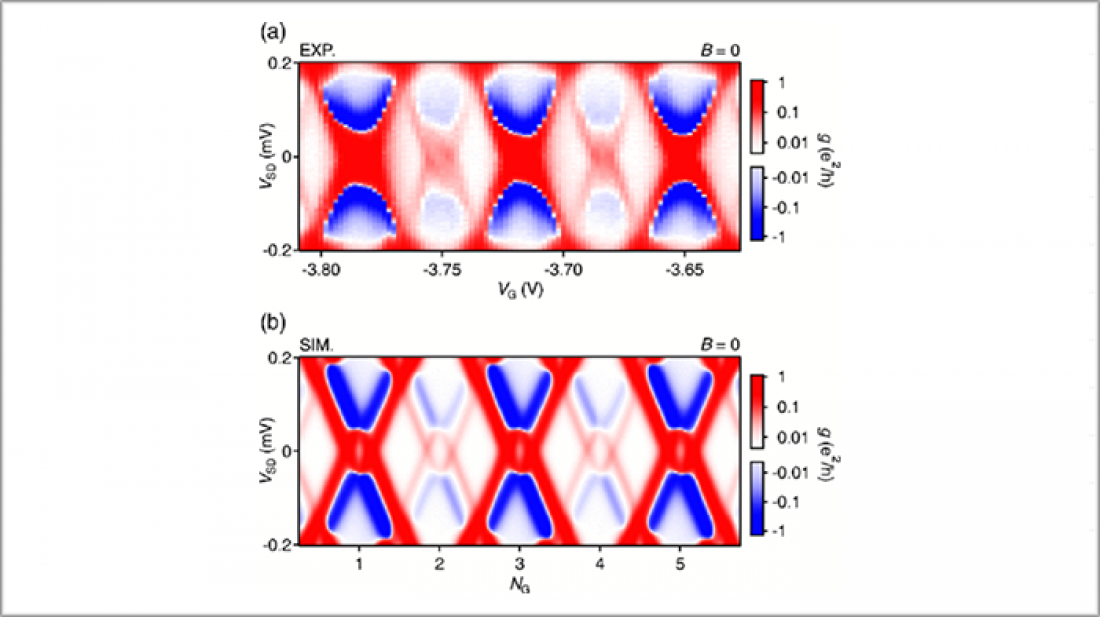
We are pleased to announce that the American Physical Society (APS) journal, Physical Review Letters, has selected the Station Q paper, Transport Signatures of Quasiparticle Poisoning in a Majorana Island, as an Editors’ Suggestion.
In our quest for topological quantum computing with Majorana zero modes, one missing piece is the efficient, high-quality creation of magic states to perform the π/8 (or “T” gate).
 Azure
Azure