Innovate. Connect. Cultivate.
The Cloud Cultures series is an exploration of the intersection between cloud innovation and culture across the globe.
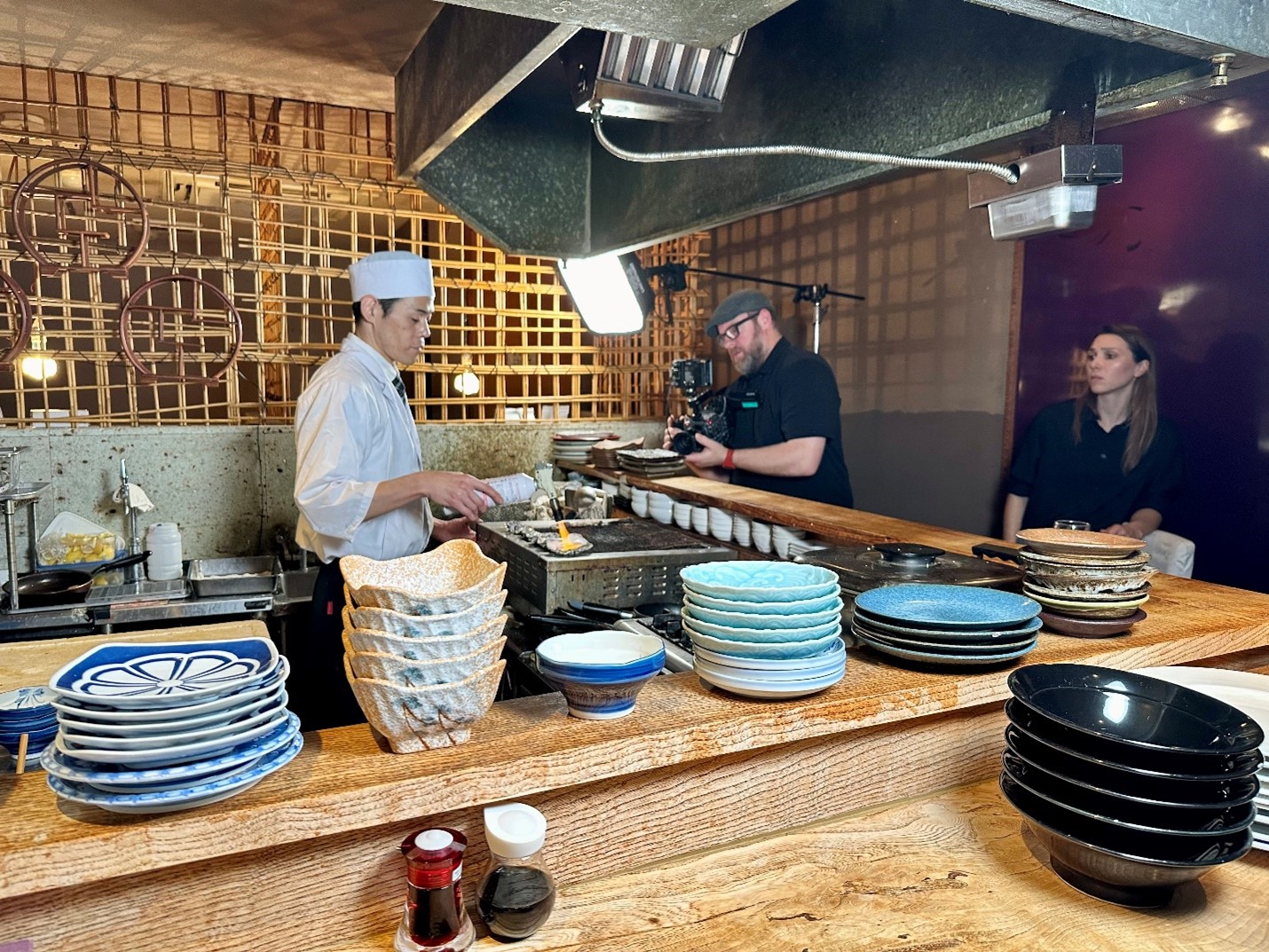
‘Mottainai,’ an idea deeply rooted in Japanese culture, is a call to respect resources and avoid waste. It goes beyond mere frugality; it’s an inherent recognition of the value of each item. I saw this ideology reflected everywhere during my trip to Japan for this episode of Cloud Cultures—in the transportation system, in my interactions with shop owners, even in the movements of a master sushi chef (or itamae) that I watched over the bar at an Omakase restaurant.
The same approach is applied to Japan’s technological innovations. While innovation is often associated with monumental breakthroughs or flashy advancements, I found that in Japan, innovation thrives in the simplest forms. It’s a philosophy woven into the Japanese way of life—a reverence for simplicity, mindfulness, and the intrinsic value of everything around us. Using the principles of precision and mindfulness, we can bridge the gaps between technology, design, and craftmanship.
Japan invents with intention
I started my latest Cloud Culture adventure in the Shinagawa district of Tokyo, wandering through narrow streets and sampling local specialties before meeting with Takeshi Numoto, Executive Vice President and Chief Marketing Officer at Microsoft. He’s a Japanese native and expert in ordering delicious meals—needless to say, I was thrilled to cohost this episode with Takeshi. We walked to an Omakase restaurant where we discussed the formalities of Japanese business culture. After sharing some baked oysters prepared with a culinary torch, I went to learn about one of Japan’s most renowned innovations: the railway system.
West Japan Railway Company prioritizes safety and innovation
For the 20 billion passengers riding trains in Japan each year, confidence in the precision and quality of the railway system is key. With over thirty-five years of operation and an impeccable safety record with five million daily users, West Japan Railway Company (JR-West) embodies responsibility, prioritizing safety while envisioning the future of train technology. On Takeshi’s advice, I met with a member of the local Microsoft team, Toshie Ninomiya, Managing Executive Officer of Microsoft Japan. Together, we had the opportunity to sit down with Okuda Hideo, Director and Executive Officer of Digital Solution Headquarters of JR-West, and his team.
During the pandemic, JR-West experienced an 89% decline in passengers. This created a sense of urgency—and ultimately, demanded a mindset shift. They pivoted their business strategy from filling as many seats as possible to curating a unique, personal experience for their riders. With their customers in mind, JR-West implemented cloud and AI solutions to become a more data-driven company. Now, they store customer transport and purchase data on the cloud, which can be analyzed to unlock insights that enable better customer experiences.
After our visit with JR-West, it became clear to me why Japan’s railway system is recognized worldwide. Through meticulous attention to detail and data-driven insights, JR-West ensures that their services exceed customer expectations while maintaining impeccable standards of efficiency and safety.
Sony Group uses cloud technology to embrace AI
While Toshie and I learned how JR-West uses AI to benefit their customers, Takeshi visited Sony headquarters to meet up with an old friend, Tsuyoshi Kodera, Executive Vice President, CDO and CIO of Sony Corporation.
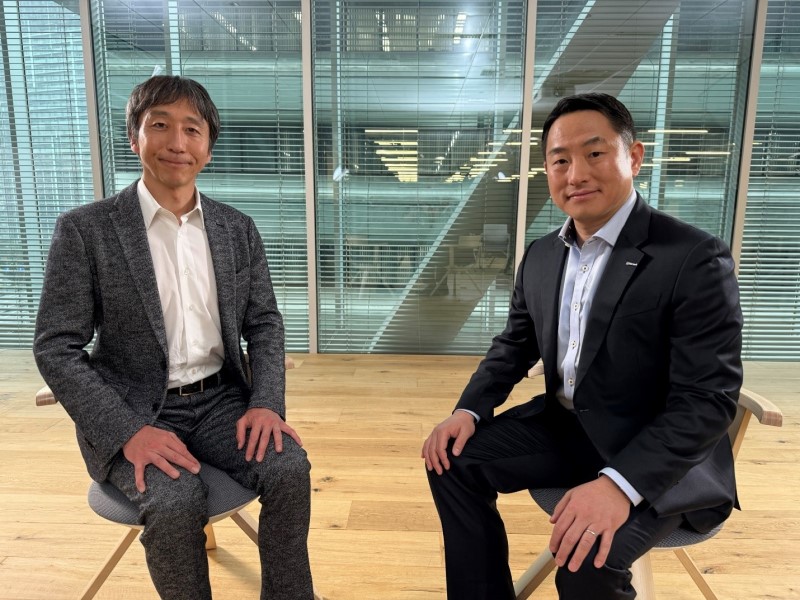
In 1946, with only 190,000 yen and a team of 20 employees, Masaru Ibuka founded Sony with a vision of “establishing an ideal factory that stresses a spirit of freedom and open mindedness that will, through technology, contribute to Japanese culture.” Reflecting Sony’s unwavering commitment to pushing boundaries and achieving the unprecedented, the company has consistently introduced groundbreaking products, often claiming the titles of ‘Japan’s first’ and ‘world’s first.’
Throughout our journey, we were reminded of the importance of collaboration and balance. Beyond their partnership with Microsoft, Sony has expanded their AI strategies in exceptional ways. For example, they’ve implemented new autofocus capabilities in their cameras, implemented AI throughout their factory manufacturing lines, and even incorporated it in their famous Gran Turismo series on PlayStation. Sony is looking toward the future of AI and cloud capabilities to create deeper experiences, build lifelong customers, and help democratize innovative technologies.
NISSIN FOODS Group modernizes with AI to improve efficiency and productivity
For our final stop, Toshie and I visited the CUPNOODLES MUSEUM in Yokohama to meet with NISSIN FOODS Group’s Chief Information Officer, Toshihiro Narita, and discuss how the company is fusing together cloud computing and shaping future food trends.
Since launching the world’s first instant noodles, NISSIN FOODS Group’s vision has remained consistent: contribute to society and the earth by gratifying people everywhere with pleasures and delights food can provide. And despite not being a traditional tech company, NISSIN FOODS Group is embracing digital transformation wholeheartedly.
As part of its program to support sustainable growth, NISSIN FOODS Group aims to improve labor productivity through efficiency. To this end, they’ve implemented various initiatives to improve in-office productivity. This includes migrating to the cloud using Microsoft 365 to adopt a remote work-enabled environment and improve cybersecurity hygiene to continuously maintain the health of the company’s IT estate. Cloud and AI technologies are helping NISSIN FOODS Group’s employees be more productive, giving them more time back to focus on creative work, and in turn, create new food cultures.
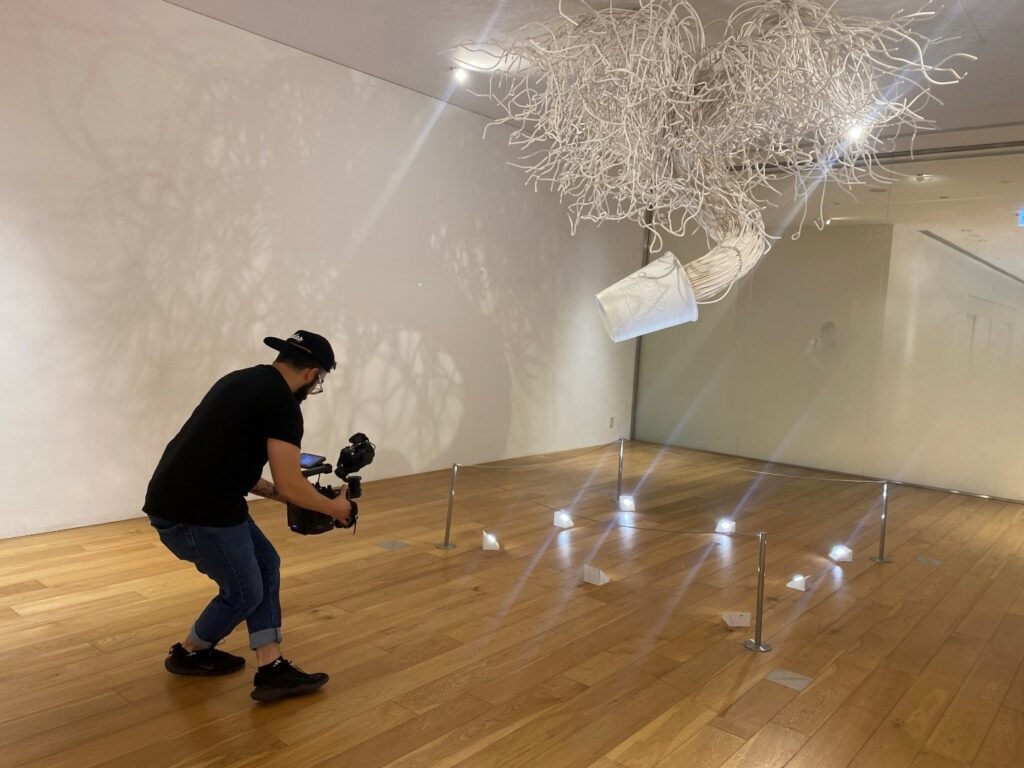
After enjoying our custom CUPNOODLES from the My CUPNOODLES Factory, Toshie and I had a chance to reflect on the unique approach NISSIN FOODS Group is taking. They are showcasing how every company can encourage innovation by modernizing with cloud technology, while staying true to their roots. From CUPNOODLES to cutting-edge food tech, innovation knows no bounds in Japan, offering a flavorful glimpse into the future of both technology and gastronomy.
Building a future that embraces tradition
From digital invention to food accessibility and revolutionizing transportation, Japan continues to evolve with a focus on precision and mindfulness. I see a culture that blends tradition and innovation, forging a future that honors heritage while embracing progress. Inspired by the incredible sights and smells of my journey—not to mention the insightful leaders I’ve met along the way—I carry with me a renewed perspective on how we can build a digital world rooted in intentionality and craftsmanship.
Cloud Cultures
Check out the other blogs in this series, from Mexico to Malaysia, and more