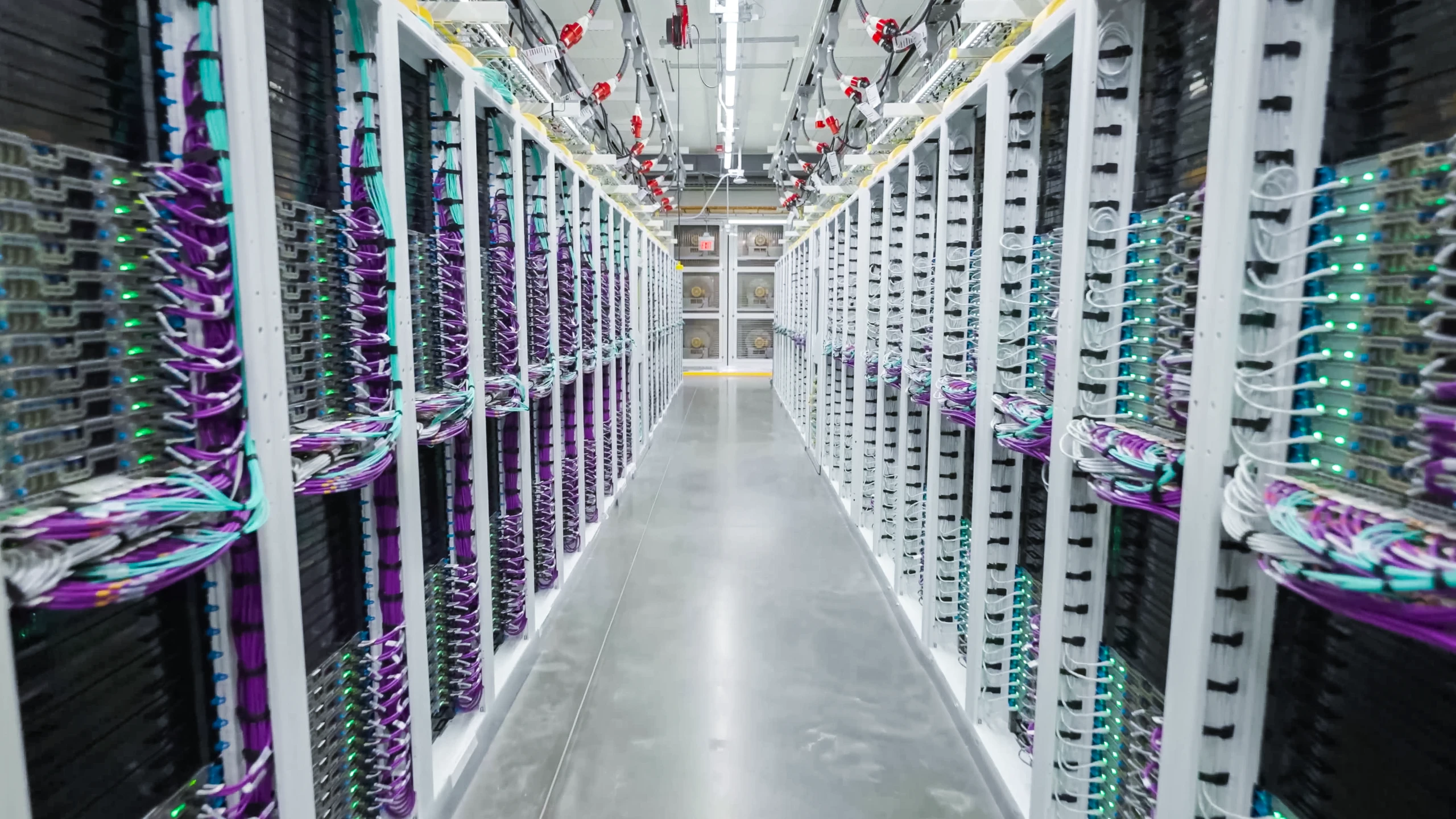
Azure HBv3 virtual machines (VMs) are now upgraded to and generally available with AMD EPYC 3rd Gen AMD EPYC™ processors with AMD 3D V-Cache™ technology, formerly codenamed “Milan-X”, in the Azure East US, South Central, and West Europe regions. In addition, we are announcing that HBv3 VMs will also soon come to Central India, UK South, China North 3, Southeast Asia, and West US 3 Azure regions. Customers can view estimated time of arrival for these new regions at Azure Availability by region.
To access these enhanced CPUs, customers need only deploy new HBv3 VMs, as all VM deployments from today onward will occur on machines featuring the new processors. Existing HBv3 VMs deployed prior to today’s launch will continue to see 3rd Gen AMD EPYC processors, formerly codenamed “Milan”, until they are de-allocated and a customer creates new VMs in their place.
Significant performance upgrade for all HBv3 customers
As previously detailed, EPYC processors with AMD 3D V-Cache can significantly improve the performance, scaling efficiency, and cost-effectiveness of a variety of memory performance-bound workloads such as CFD, explicit finite element analysis, computational geoscience, weather simulation, and silicon design right-to-left (RTL) workflows.
Compared to the performance HBv3-series delivered prior to the upgrade to the new processors, customers will experience up to:
- 80 percent higher performance for CFD.
- 60 percent higher performance for EDA RTL.
- 50 percent higher performance for explicit FEA.
- 19 percent higher performance for weather simulation.
HBv3-series VMs retain their existing pricing and do not require changes to customer workloads. No other changes are being made to the HBv3-series VM sizes customers already know and rely on for their critical research and business workloads. For more information on the Azure HBv3-series, please see official documentation for the Azure HBv3-series of virtual machines.
The highest performance, most cost-effective cloud HPC
Based on testing of a broad array of customer HPC workloads against the best publicly demonstrated performance from other major cloud providers, Azure HBv3-series VMs with 3rd Gen AMD EPYC processors with AMD 3D V-Cache and InfiniBand from NVIDIA Networking deliver 2.23-3.88 times higher performance.
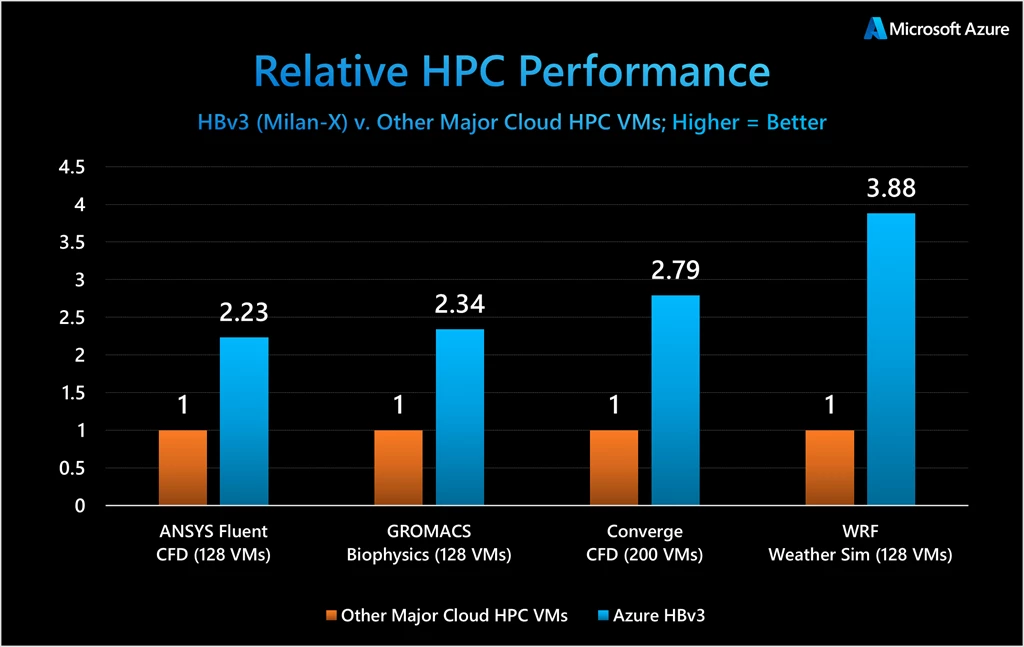
Figure 1: Relative at-scale workload performance in CFD, molecular dynamics, and weather simulation.
For more performance, scalability, and cost information see our detailed blog here.
Continuous improvement for Azure HPC customers
Microsoft and AMD share a vision for a new era of high-performance computing in the cloud. One defined by continuous improvements to the critical research and business workloads that matter most to our customers. Azure has teamed with AMD to make this vision a reality by raising the bar on the performance, scalability, and value we deliver with every release of Azure HB-series virtual machines.
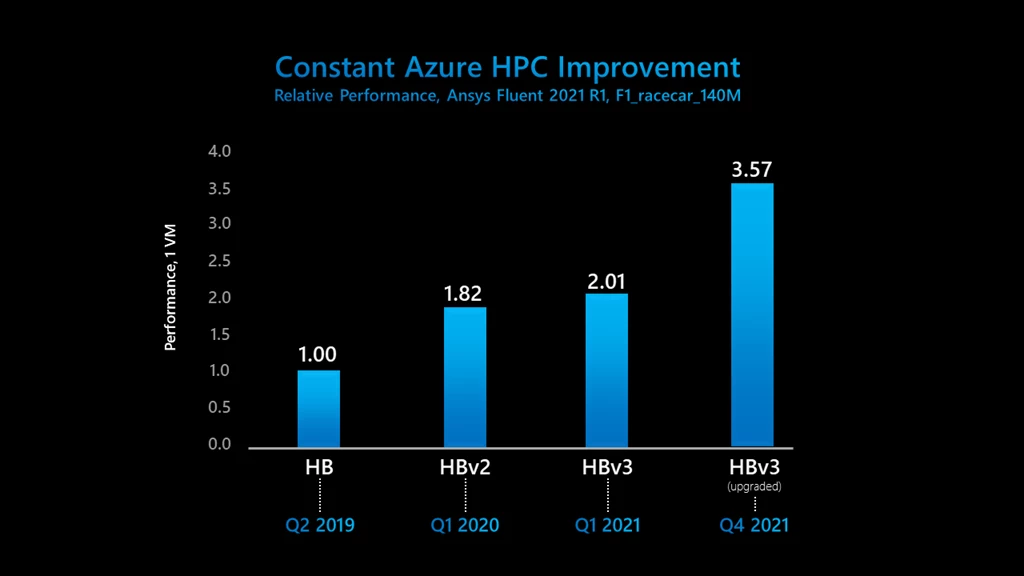
Figure 2: Azure HB-Series virtual machine generational performance improvement.
“Rescale is excited to see the dedication by Microsoft to continually raise the bar, the new Azure HBv3 VMs featuring AMD EPYC™ CPUs with AMD 3D V-Cache™ technology specifically targets memory bandwidth bottlenecks impacting the most widely used commercial CFD codes on the Rescale platform. Preliminary testing has demonstrated a 25 percent performance boost across three of the most common CFD applications and a positive impact on virtually all software running on the upgraded instances,” said Chris Langel, HPC Engineering Manager at Rescale and Mulyanto Poort, VP of HPC Engineering at Rescale. “We are seeing a strong customer demand for “Milan-X” and are excited to offer the updated Azure HBv3 VMs to our customers,” said Ethan Rasa, Senior Director of Strategic Alliances at Rescale.
Ansys Fluent is the industry-leading computational fluid dynamics tool and our customers are always looking for ways to run larger problems more quickly, or with more granularity. The super-linear scaling we are seeing with the AMD Milan-X chip on the Azure HBv3 virtual machines will be received with a lot of excitement by our user base across many industries.”—Jeremy McCaslin, Product Manager, Fluids, Ansys
“Customers who require high-fidelity production simulations in demanding industries rely on Siemens Simcenter STAR-CCM+ software,” said Patrick Niven, Senior Director of Fluid and Thermal Product Management, Siemens Digital Industries Software. “Customers usually need those results quickly, so Siemens and Microsoft collaborate to ensure Azure HB-series instances deliver true HPC-class performance. The new Azure HBv3 instances featuring 3rd Gen AMD EPYC™ CPUs with AMD 3D V-Cache™ technology can accelerate simulations by up to 50 percent, so Microsoft can offer Simcenter STAR-CCM+ users cutting-edge performance on an accessible platform.”
Learn more
- Azure Docs—HBv3-series Virtual Machines.
- Azure HBv3-series with Milan-X processors launch video.
- Watch the announcement at the AMD Acceleration Datacenter Premier.
- See additional information on performance, scalability and cost information.
- Performance and Scalability of HBv3-series with Milan-X processors.
- Find out more about high-performance computing in Azure.
- AMD Launch Hub EPYC 3rd Gen EPYC with AMD 3D V-Cache.
- Azure HPC optimized OS images.
- Azure HPC virtual machines.