
The economics of enterprise AI: What the Forrester TEI study reveals about Microsoft Foundry
Customers are on the hunt for smarter models, more capable agents, and market-ready solutions to operationalize AI workflows.
Customers are on the hunt for smarter models, more capable agents, and market-ready solutions to operationalize AI workflows.

Today, we’re announcing OpenAI’s GPT‑5.4 to be generally available soon in Microsoft Foundry: a model designed to help organizations move from planning work to reliably completing it in production environments.
As organizations accelerate digital transformation, infrastructure decisions increasingly shape how quickly teams can adopt AI, how reliably applications operate at global scale, and how effectively businesses respond to constant change.
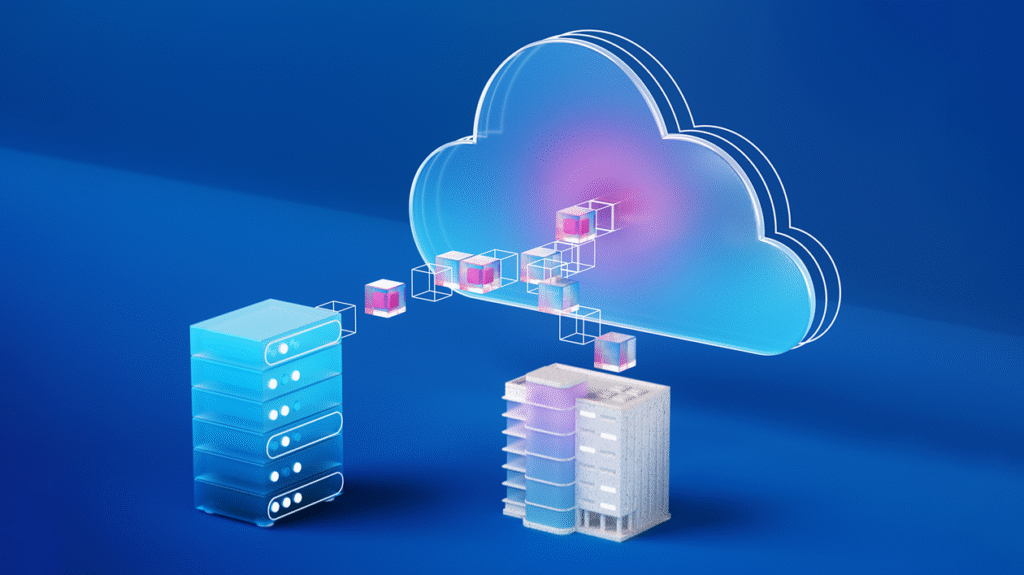
Enterprises today face a familiar yet formidable challenge: mountains of documents -contracts, invoices, reports, forms – remain locked in unstructured formats. Traditional OCR (optical character recognition) captures text, but often struggles with context, layout complexity, or multilingual content. The result?
Budget Bytes is a new series is designed to inspire developers to build affordable, production-quality AI applications on Azure with a budget of $25 or less. Yes, you read that right, twenty-five dollars!

Claude Sonnet 4.6 is available today in Microsoft Foundry, and it is designed for teams who want frontier performance across coding, agents, and professional work at scale.

Learn about an AI-powered experience launched as a minimum viable product to gather real user feedback and iterate rapidly.

While today’s cloud delivers extraordinary flexibility, the rapid growth of modern applications and AI workloads has introduced levels of scale and complexity that traditional operations were not designed for.

As the demand for AI and data-intensive computing is on the rise, the need for efficient and reliable power delivery is critical.

The SQL community is gathering in Atlanta this March for the first‑ever SQLCon, co‑located with FabCon, the Microsoft Fabric Community Conference, March 16-20.
With Claude Opus 4.6 now available in Microsoft Foundry, developers can delegate complex tasks end‑to‑end and trust the AI to execute independently in production.
From GitHub Copilot AI assistance to built-in model management, Azure is helping devs and enterprises unlock the full potential of PostgreSQL.