
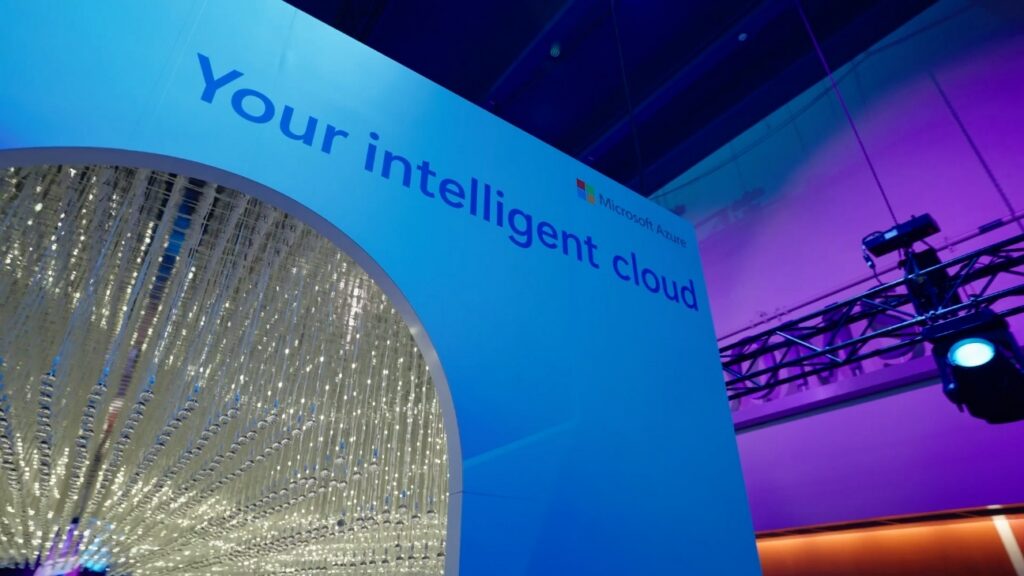
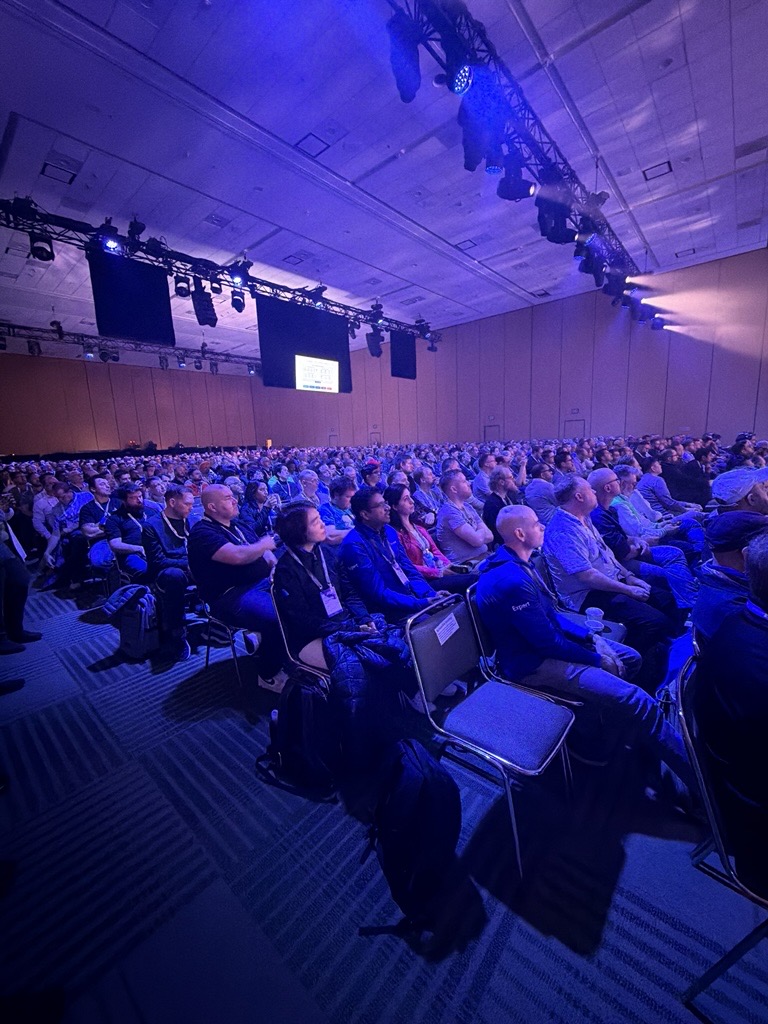
Energy at Microsoft Ignite was electric. Over 20,000 attendees gathered in San Francisco, with 200,000 digitally joining us to explore the future of cloud and AI. What continues to inspire me most are the responses online and the conversations happening in our technical communities. It’s how quickly you’re turning these announcements into action and building solutions for billions of people, which will ultimately shape our future.
As someone who lives and breathes technical audience marketing across Microsoft Azure, Foundry, Fabric, databases, and developer tools. Our Azure platform announcements resonated because they help solve real problems—and now, the work begins.
So, what is everyone saying about the top news? And where do we go from here? Let’s reflect on the top five cloud and AI stories from Microsoft Ignite across the web right now and then unpack how these innovations can be put into practice across Microsoft AI Dev Days, Microsoft AI Tour and more.
1. Claude comes to Microsoft Foundry: Choice for builders
The technical community lit up about what Claude models in Microsoft Foundry unlock. I really like how this eWeek article describes the significance as a “partnership [that] removes one of the biggest historical blockers to adopting new AI tools: vendor complexity.”
Developers told us they wanted access to Claude Sonnet and Claude Opus alongside OpenAI’s GPT models. They wanted the ability to select the right models for their use cases, and the tools to evaluate for tone, safety, performance, and more. Now Azure is the only cloud supporting access to both Claude and GPT frontier models for its customers.
Response from the community is clear: model diversity matters. When you’re building AI apps and agents, having options means you can optimize for what matters most to your users. Microsoft Foundry gives you flexibility while maintaining enterprise-grade security, compliance, and governance.
My favorite watches and reads:
- Microsoft Exec talks OpenAI, AI Bubble, Data Centers, AI Safety, and more
- Everything you need to build AI apps & agents
- Foundry: The Top AI Announcement from Microsoft Ignite 2025
- Microsoft Brings Anthropic’s Claude Opus 4.5 to Foundry Preview
- Deploy and compare models in Microsoft Foundry
2. IQ Revolution: Semantic understanding that works
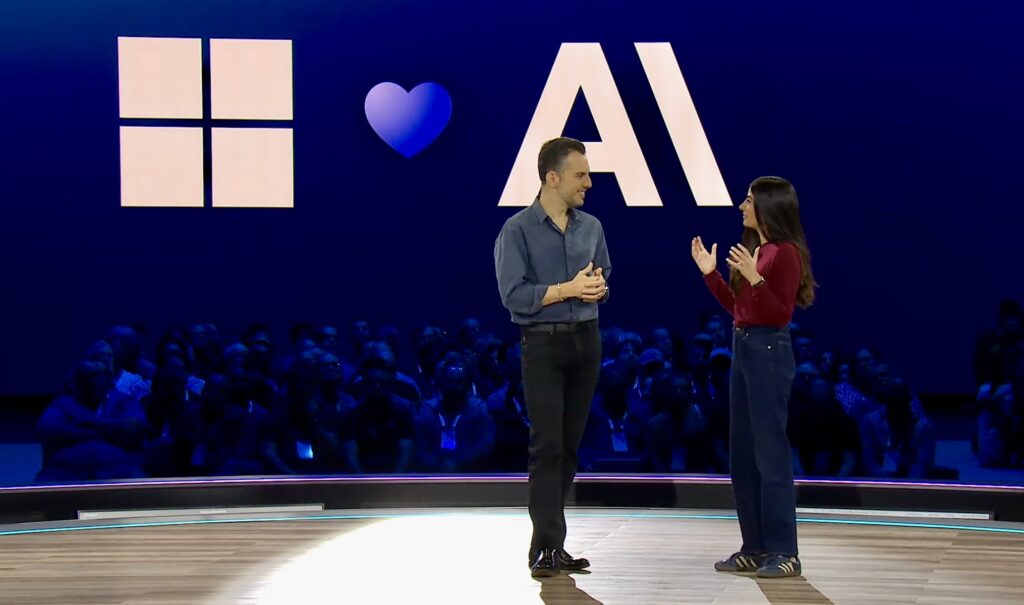
The new portfolio of Microsoft IQ offerings has data engineers and architects buzzing. One blogger captured it perfectly: “This is Microsoft rewiring the connective tissue between productivity apps, analytics platforms, and AI development environments to create something that’s been missing from the enterprise AI conversation.” Knowledge is how the shift to agentic AI becomes practical rather than theoretical.
Foundry IQ streamlines knowledge retrieval from multiple sources including SharePoint, Fabric, and the web. Powered by Azure AI Search, it delivers policy-aware retrieval without having to build complex custom RAG pipelines. Developers get pre-configured knowledge bases and agentic retrieval in a single API that “just works,” while also respecting user permissions, which is what I heard resonating on the ground.
Designed with Foundry IQ integration, Fabric IQ creates a semantic intelligence layer that unifies analytics, time-series, and operational data around shared business concepts, letting you build and deploy agents that reason consistently across domains while cutting down the schema-mapping, data wrangling, and prompt engineering that normally eat the most time.
More must-reads:
- CIO Talk: Microsoft Gets IQ
- Microsoft’s Fabric IQ teaches AI agents to understand business operations, not just data patterns
- Microsoft Ignite 2025: How Data-Driven Intelligence Powers the Age of AI Agents
3. Azure HorizonDB: PostgreSQL power
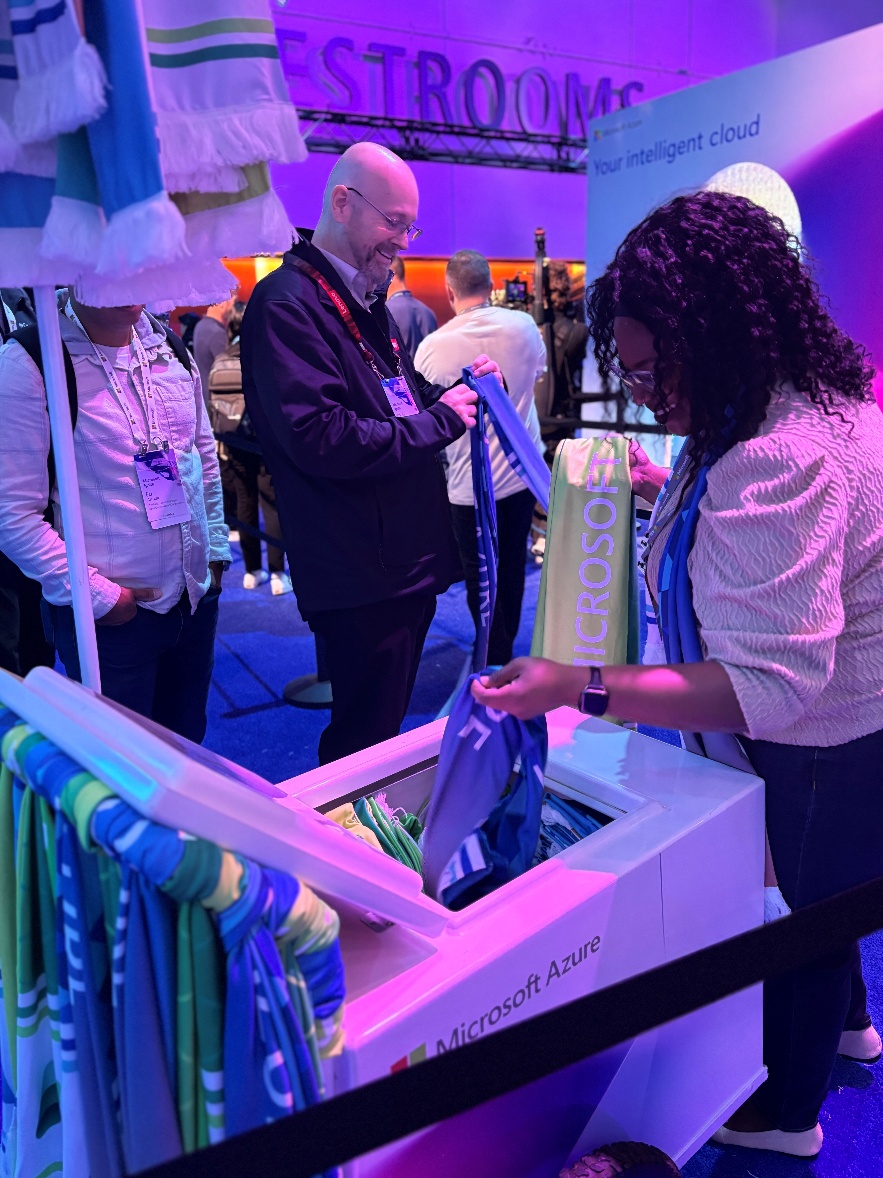
PostgreSQL developers are celebrating the preview of Azure HorizonDB, which you can sign up for here. This fully managed, Postgres-compatible database service is designed from the ground up for modern cloud-native and AI workloads.
The technical community embraced it wholeheartedly, seeing their priorities reflected. Azure HorizonDB delivers up to 3x more throughput than open-source Postgres for transactional workloads, with auto-scaling storage up to 128TB and scale-out compute supporting up to 3,072 vCores. Sub-millisecond multi-zone commit latencies support apps that are both fast and resilient.
What really got developers excited was built-in vector indexing with advanced filtering using DiskANN, which brings AI intelligence directly to where your data lives. This helps developers build semantic search and RAG patterns without the complexity and latency of managing separate vector stores or moving data across systems. Integration with Microsoft Foundry also streamlines setup and AI app development.
And for those migrating from Oracle, GitHub Copilot-powered migration tools in the PostgreSQL Extension for VS Code make the transition smoother than ever. The community has spoken: they want PostgreSQL flexibility combined with Azure enterprise capabilities, and Azure HorizonDB delivers.
Be sure to check these out:
- Announcing Azure HorizonDB
- Water, Water Everywhere: How Microsoft Ignite 2025 Turned Data Into Intelligence
- Microsoft Ignite 2025: AI + Databases = The Next Big Shift with Microsoft’s Shireesh Thota
- Azure HorizonDB: Microsoft goes big with PostgreSQL
4. Azure Copilot: Agents change the game
The announcement of the new Azure Copilot gives IT professionals a new reason to come to the cloud. Now supporting the full cloud operations lifecycle, Azure Copilot features a collection of specialized agents for migration, deployment, observability, optimization, resiliency, and troubleshooting. A star within this new experience for IT pros is the migration agent, helping turn weeks of manual discovery into rapid acceleration by scanning environments, identifying legacy workloads, and auto-generating infrastructure-as-code templates so migrations are fast and clean.
With Azure Copilot, migrating and modernizing become far more manageable, surfacing cost improvements, right sizing environments, and diagnosing issues across containers, virtual machines, and databases, while honoring role-based access control (RBAC) policies and compliance guardrails. Available at no extra cost in the Azure Portal, CLI, and the new Operations Center, this new agentic interface in Azure transforms modernization and gives IT teams the ability to be more proactive as they build on the Azure foundation.
Smart takes on the news:
- Making Sense of Microsoft Ignite 2025 for Azure and AI Architects
- How Azure Copilot’s New Agents Automate DevOps and SecOps
- Azure Update – IGNITE SPECIAL – 21st November 2025
- Microsoft’s Azure Copilot to support agentic cloud operations at scale with new AI agents
- Azure Copilot Agents Launch in Private Preview
5. Azure hardware: Limitless power and security
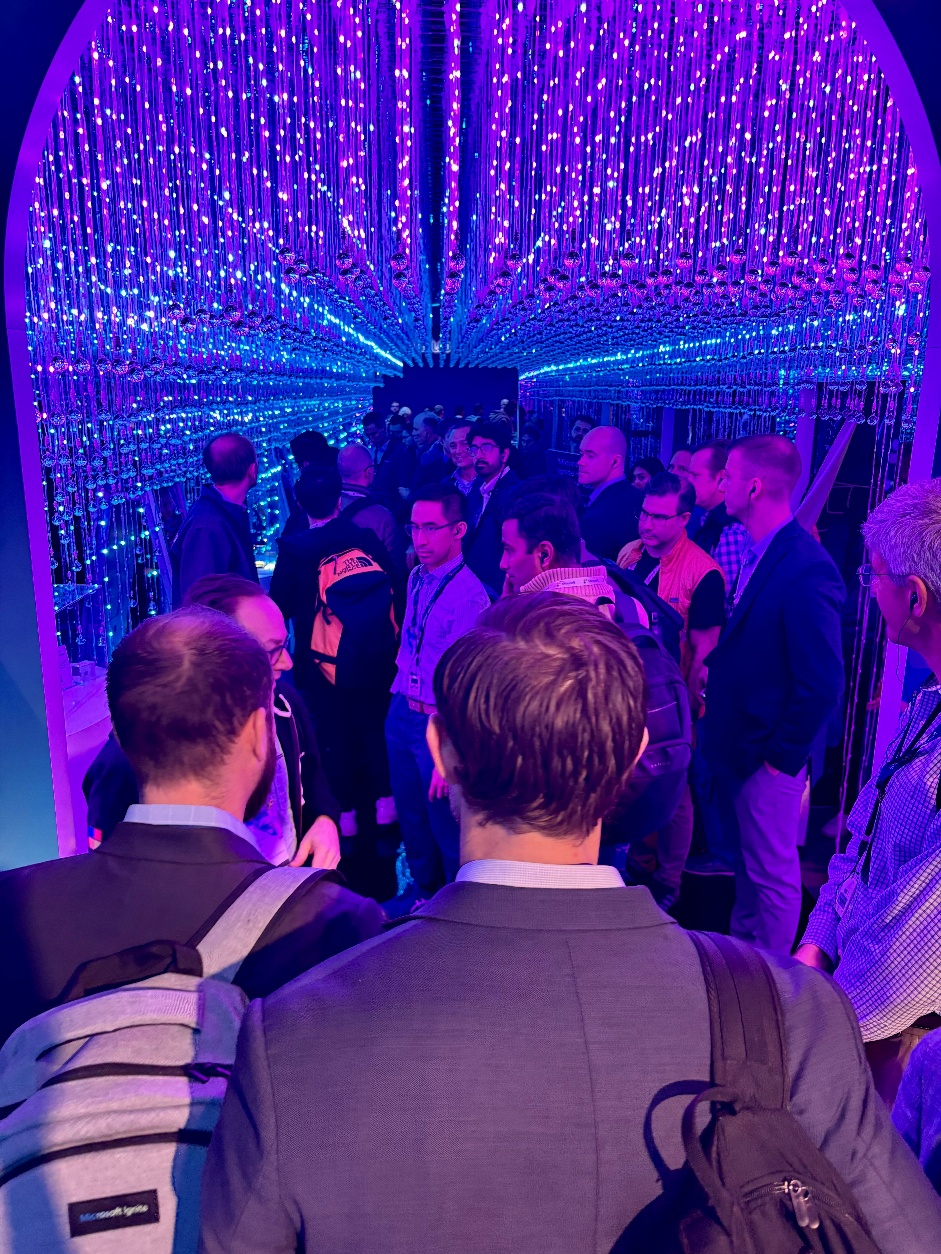
Performance is everything when you’re training large models or running inference at scale and that’s why the latest hardware museum behind our ‘Frontier Street’ activation at Ignite captured the community’s imagination.
When you stood in front of a blade from our Azure AI infrastructure server, with NVIDIA Blackwell Ultra GPUs presented like a museum piece, your excitement made it feel even more like stepping into an art gallery—with a spotlight on Cobalt, Maia, and Microsoft’s unique NVIDIA partnership.
And it didn’t stop there. Microsoft’s custom Azure silicon now includes the Azure Boost DPU, the first in-house data processing unit, and Azure Integrated HSM for top-notch security. We can’t wait to keep bringing these innovations directly to you.
See what others are saying:
- Announcing Cobalt 200: Azure’s next cloud-native CPU
- Microsoft has Designed its Own 132 Core Processor: Azure Cobalt 200
- Microsoft’s Azure Cobalt 200 ARM Chip Delivers 50% Performance Boost
- Powering Modern Cloud Workloads with Azure Boost: Ignite 2025
Your keyboard, your impact
Here’s what makes this moment special: announcements at Ignite aren’t endpoints; they’re starting points. You’re the next gen creators who will take these tools and build new agentic experiences we can’t yet imagine. Your implementations surface insights that shape how Azure evolves. Your real-world patterns are what drive product decisions. The relationship between announcement and innovation is a partnership, and the technical community drives that process forward.
Create the future with us:
- Tune into Microsoft AI Dev Days: December 10-11. Starting today, we’re hosting two days of live-streamed technical content on the Reactor, broadcast across all dev channels. These sessions are designed for developers who want to go deep on building with the technologies announced at Ignite. Mark your calendars and join the community for hands-on workshops and technical deep dives that will bringing you to the cutting edge of AI innovation.
- Join us at a Microsoft AI Tour location near you. We’re coming to your city with hands-on technical workshops. These one-day, free events focus on getting you keyboard time with the technologies announced at Ignite. We’re continuing to hit the road in 2026 to 30 more locations.
- Catch up with your tech community. Ignite delivered incredible technical content across hundreds of sessions. What makes the following three sessions special is how deep they go into the tech with information about how to start implementing in your own environments.
- Take your learning to the next level with curated skilling plans. Whether you’re new to these technologies or looking to deepen your expertise, Microsoft skilling plans can accelerate your career from fundamentals to advanced implementation.
What are you building with the latest technologies announced at Ignite? Join the conversation in Azure’s technical community.