Between waves of pandemics, hurricanes, and wildfires, you don’t need cloud infrastructure adding to your list of worries this year. Fortunately, there has never been a better time to ensure your Azure deployments stay resilient. Availability zones are one of the best ways to mitigate risks from outages and disasters. With that in mind, we are announcing the preview for zone redundancy in Azure Cache for Redis.
Availability Zones on Azure
Azure Availability Zones are geographically isolated datacenter locations within an Azure region, providing redundant power, cooling, and networking. By maintaining a physically separate set of resources with the low latency from remaining in the same region, Azure Availability Zones provide a high availability solution that is crucial for businesses requiring resiliency and business continuity.
Redundancy options in Azure Cache for Redis
Azure Cache for Redis is increasingly becoming critical to our customers’ data infrastructure. As a fully managed service, Azure Cache for Redis provides various high availability options. By default, caches in the standard or premium tier have built-in replication with a two-node configuration—a primary and a replica hosting two identical copies of your data.
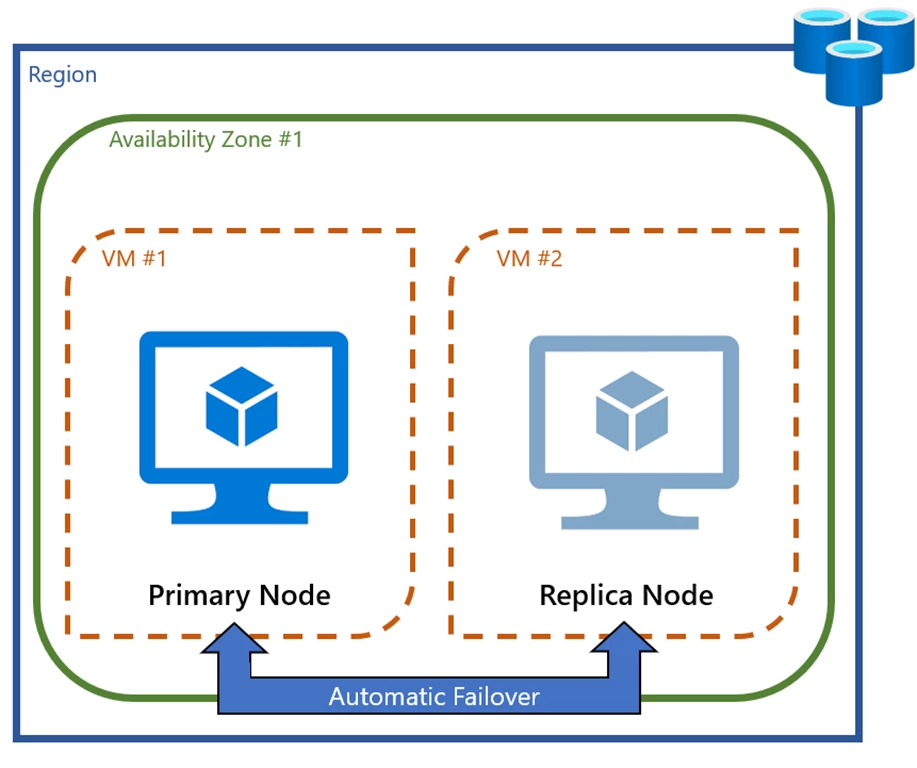
New in preview, Azure Cache for Redis can now support up to four nodes in a cache distributed across multiple availability zones. This update can significantly enhance the availability of your Azure Cache for Redis instance, giving you greater peace of mind and hardening your data architecture against unexpected disruption.
High Availability for Azure Cache for Redis
The new redundancy features deliver better reliability and resiliency. First, this update expands the total number of replicas you can create. You can now implement up to three replica nodes in addition to the primary node. Having more replicas generally improves resiliency (even if they are in the same availability zone) because of the additional nodes backing up the primary.
Even with more replicas, a datacenter-wide outage can still disrupt your application. That’s why we’re also enabling zone redundancy, allowing replicas to be located in different availability zones. Replica nodes can be placed in one or multiple availability zones, with failover automatically occurring if needed across availability zones. With Zone Redundancy, your cache can handle situations where the primary zone is knocked offline due to issues like floods, power outages, or even natural disasters. This increases availability while maintaining the low latency required from a cache.
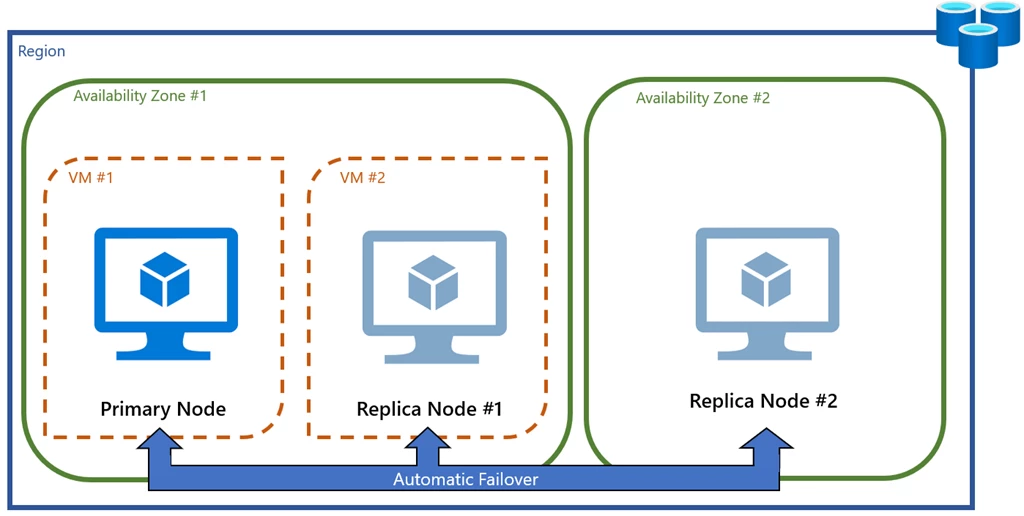
Zone redundancy is currently only available on the premium tier of Azure Cache for Redis, but it will also be available on the enterprise and enterprise flash tiers when the preview is released.
Industry-leading service level agreement
Azure Cache for Redis already offers an industry-standard 99.9 percent service level agreement (SLA). With the addition of zone redundancy, the availability increases to a 99.95 percent level, allowing you to meet your availability needs while keeping your application nimble and scalable.
Adding zone redundancy to Azure Cache for Redis is a great way to promote availability and peace of mind during turbulent situations. Learn more in our documentation and give it a try today.
If you have any questions or feedback, please contact us at AzureCache@microsoft.com.