We designed the Azure Modular Datacenter (MDC) for customers who need cloud computing capabilities in hybrid or challenging environments, including remote areas. This announcement is complemented by our Azure Space offerings and partnerships that can extend satellite connectivity anywhere in the world. Scenarios range from mobile command centers, humanitarian assistance, military mission needs, mineral exploration, and other use cases requiring high intensity, secure computing on Azure.
The MDC can give customers a path to migrate apps to Azure while still running these workloads on-premises with low-latency connections to their own datacenter. This provides a stepping stone for transforming workloads to the Azure API with the option of continuing to run these apps on-premises, or in public or sovereign clouds.
Azure where you need it
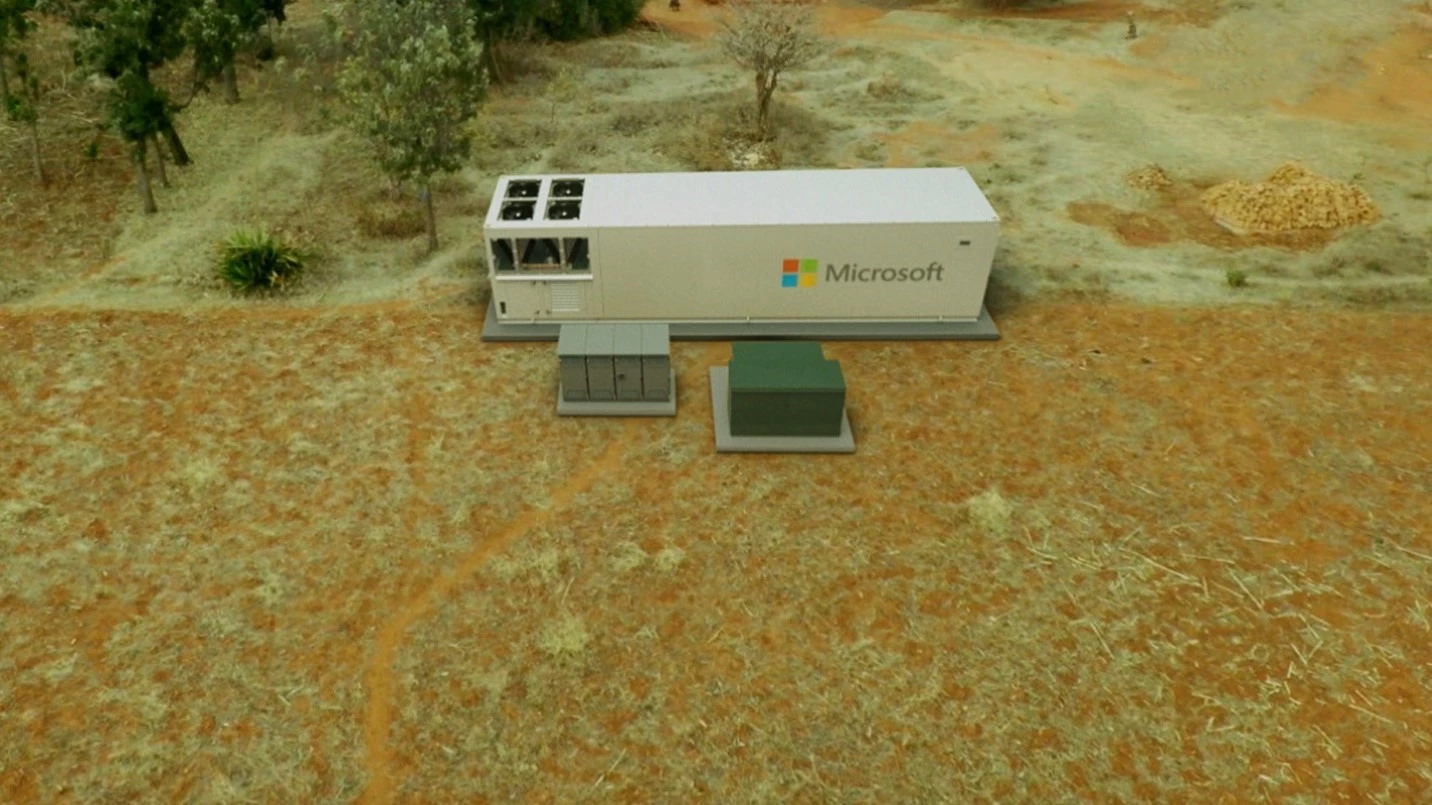
Around the world, there are significant cloud computing and storage needs in areas with adverse conditions, where low communication, disrupted network availability and limited access to specialized infrastructure would have previously prevented taking advantage of cloud computing. The MDC solves this by bringing Azure to these environments, providing datacenter scale compute resources closest to where they’re needed.
With MDC you can deploy a self-contained datacenter unit with a field transportable solution that provides near-immediate value. The unit can operate in a wide range of climates and harsh conditions in a ruggedized, radio frequency (RF) shielded unit. Once deployed it can act as critical infrastructure where temperature, humidity, and even level surfaces can pose a challenge.
MDC can provide onsite augmentation of compute and storage capabilities, managing and operating high-performance applications in the field, IoT and real-time analytics workloads that require ultra-low latency, and standing up cloud applications to support critical infrastructure recovery.
Connectivity
A major differentiator for MDC is that customers can run the unit with full network connectivity, occasionally connected or fully disconnected. This is a unique, powerful capability that allows customers to access the power of the Azure cloud on their terms.
Satellite communications option
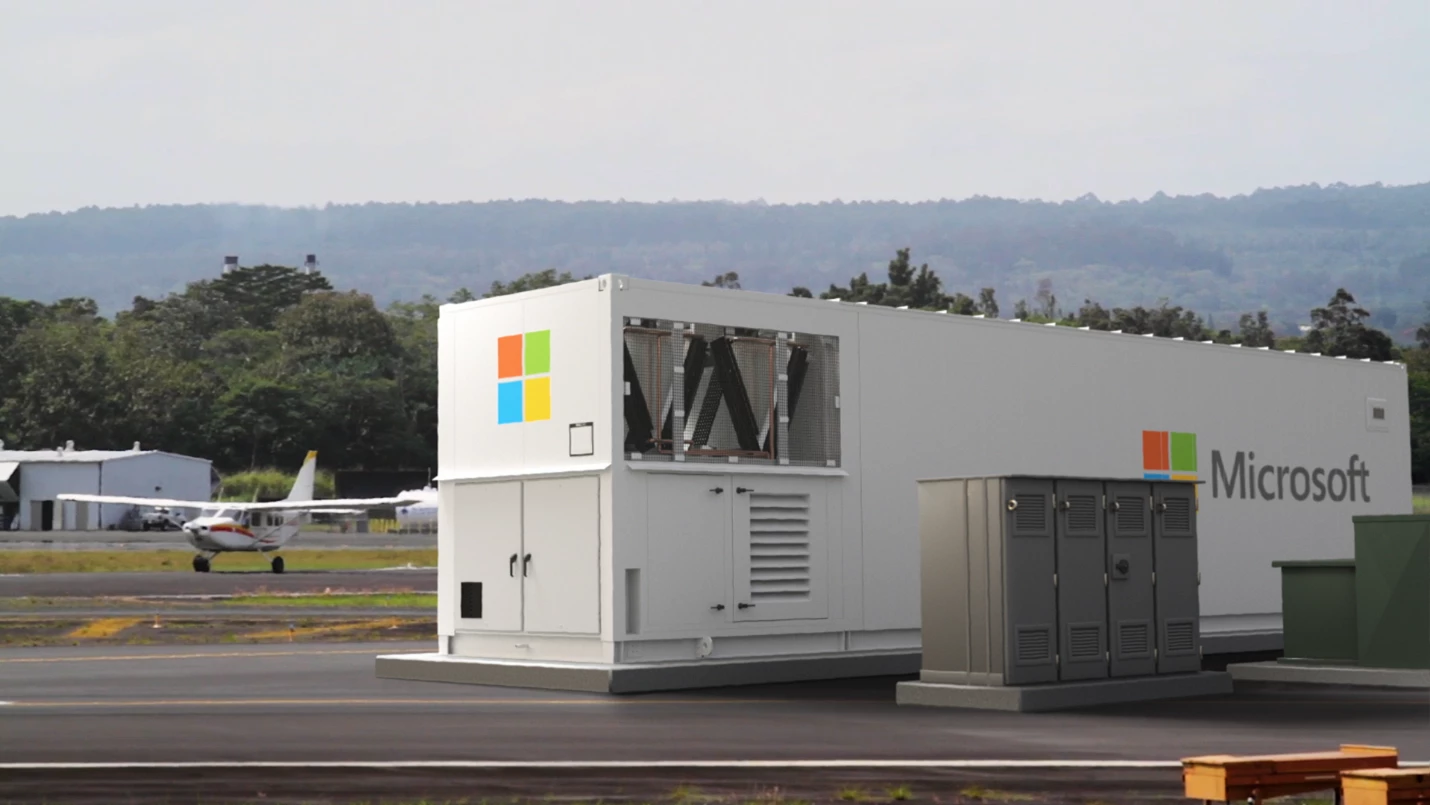
Microsoft is partnering with satellite operators to provide an option for secure and reliable connectivity to field deployed MDC units.
This connectivity is achieved through a network high availability module which continuously evaluates network performance. In the event of a network disruption, the network high availability module will move traffic from the impacted network to a backup satellite connection. This resiliency ensures continued delivery of essential hyperscale services through Azure. Alternatively, MDC can use satellite communications as the primary connection where no other network is available.
Ready to go
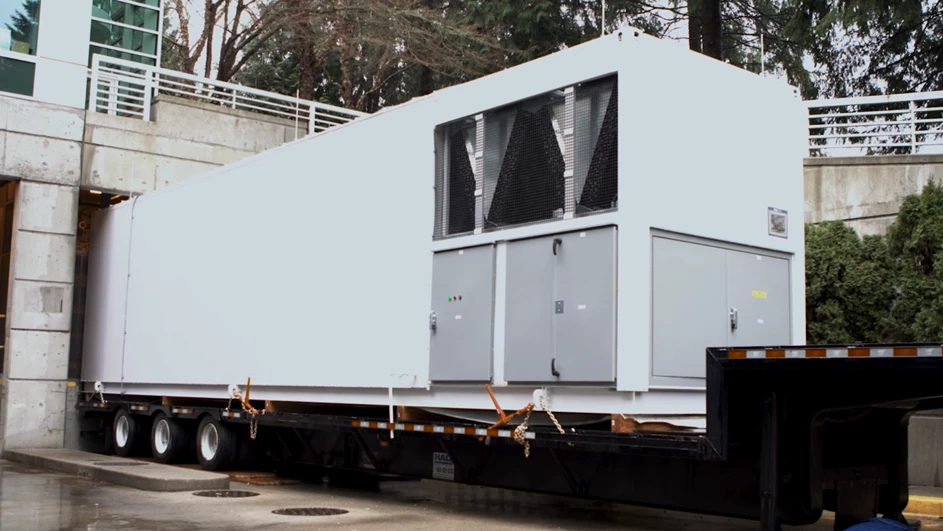
MDC units are in early use with defense and private sector organizations, for more information contact your Microsoft representative.