Skip to main content Explore View all products (200+) Microsoft Foundry Azure Copilot GitHub Copilot Azure Kubernetes Service (AKS) Azure Cosmos DB Azure Database for PostgreSQL Azure Arc Microsoft Fabric Linux virtual machines in Azure Foundry Models Foundry Agent Service Foundry IQ Foundry Tools Foundry Control Plane Observability in Foundry Control Plane Azure OpenAI in Foundry Models Azure Speech in Foundry Tools Azure Machine Learning View all databases Azure Cosmos DB Azure DocumentDB Azure SQL Azure Database for PostgreSQL Azure Managed Redis Microsoft Fabric Azure Databricks Linux virtual machines in Azure Windows Server on Azure Azure Functions Azure Virtual Machine Scale Sets Azure API Management Azure Container Apps Azure Kubernetes Service (AKS) Azure Kubernetes Fleet Manager Azure Container Registry Azure Red Hat OpenShift Azure Container Instances Azure Container Storage Azure Arc Azure Local Microsoft Defender for Cloud Azure Monitor Microsoft Sentinel Azure Migrate View all solutions (40+) Cloud solutions for small and medium businesses Cloud migration and modernization center Data analytics for AI Azure Databases AI apps and agents Microsoft Marketplace Microsoft Sovereign Cloud AI apps and agents Responsible AI with Azure AI Infrastructure Data analytics for AI Machine learning operations (MLOps) Low-code application development on Azure Integration Services Serverless computing DevOps Migration and modernization center .NET apps migration Databases on Azure Linux on Azure Oracle on Azure SAP on the Microsoft Cloud Adaptive cloud High-performance computing (HPC) Infrastructure as a service (IaaS) Resiliency Azure Essentials Frontier Accelerate for Azure FinOps on Azure Microsoft Marketplace Azure pricing overview Create an Azure account Free Azure services Flexible purchase options Pricing calculator FinOps on Azure Maximize ROI from AI Azure savings plans Azure reservations Azure Hybrid Benefit Virtual Machines Azure SQL Microsoft Foundry Microsoft Fabric Azure Kubernetes Service (AKS) Microsoft Defender for Cloud View more Software Development Companies Microsoft Marketplace Find a partner Resources for Azure partners Get started with Azure Customer stories Analyst reports, white papers, and e-books Videos Learn more about cloud computing Documentation Explore Azure portal Developer resources Quickstart templates Resources for startups Developer community Students Azure for partners Blog Events and Webinars Learn Support Contact Sales Get started with Azure Sign in

As part of our commitment to providing customers with a platform for their most demanding, mission-critical workloads, I’m excited to announce expanded capabilities for Microsoft’s global cloud infrastructure.

Starting today, customers can begin using Azure Availability Zones in preview to build highly available applications. Availability Zones increase Azure’s resiliency capabilities and broaden options for customers to choose the business continuity solution that is right for their organization. We’ve also designed Availability Zones to give customers great confidence in delivering services and with an industry-leading, financially-backed 99.99% virtual machines uptime SLA when generally available.

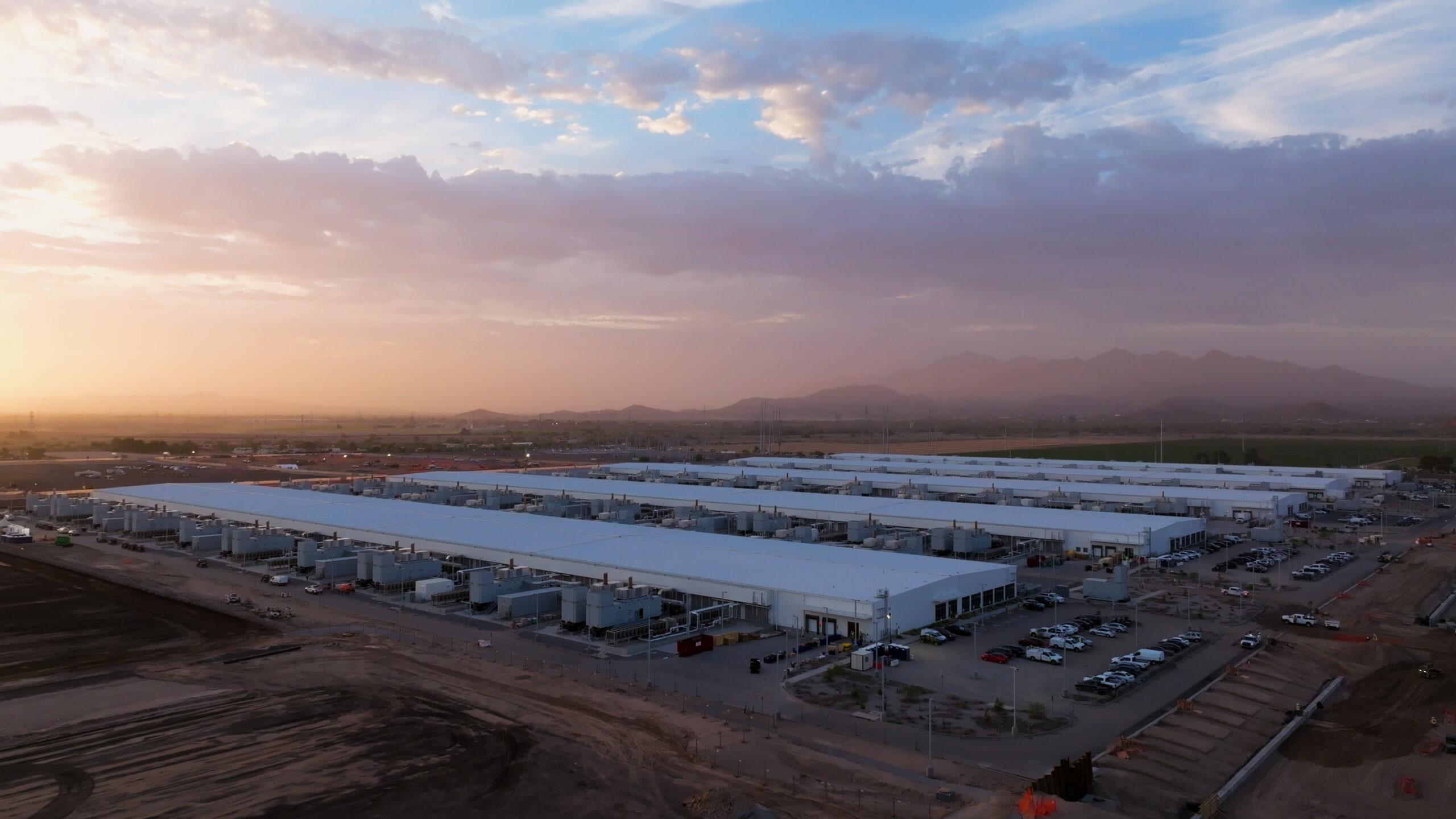
Availability Zones are fault-isolated locations within an Azure region, providing redundant power, cooling, and networking. Availability Zones allow customers to run mission-critical applications with higher availability and fault tolerance to datacenter failures. With 42 announced regions worldwide (more than any other cloud provider) and backed by one of the largest networks on the planet, Azure offers the scale needed to bring applications closer to users and customers around the world. Availability Zones are now in preview in two regions, East US 2 in Virginia and West Europe in the Netherlands, with plans to offer preview to additional regions in the US, Europe, and Asia before the end of the year including our new France Central region in Paris.

With Azure’s geographic expansion, we invest in providing the best cloud experience possible including expanding and upgrading our global network. Today also marks the completion of the MAREA transatlantic subsea cable, the latest addition to our global network. MAREA is a joint project between Microsoft, Facebook and Telxius, and represents our latest infrastructure initiative to support customer demand and service innovation across the globe. MAREA is the highest-capacity cable to ever cross the Atlantic, and the first to connect Virginia and Spain. It will help support the growing demand for high speed, reliable connections to the U.S. and Europe, including our newest Azure regions coming to France, and beyond.

To learn more about Availability Zones and sign up for the Preview, visit: https://aka.ms/az.

Follow these links to find out more about the innovation in Microsoft’s global network and the MAREA transatlantic subsea cable.

WE ARE MICROSOFT

Explore Microsoft Foundry

The future of AI starts here. Envision your next great AI app with the latest technologies. Get started with Azure.