

Microsoft named a Leader in the IDC MarketScape: Worldwide API Management 2026 Vendor Assessment
Azure API Management provides a single, Azure-native platform to govern everything from traditional APIs to AI models, tools, and agents.
Azure API Management provides a single, Azure-native platform to govern everything from traditional APIs to AI models, tools, and agents.

Read why Microsoft was named a Leader for integration services in the 2026 Gartner® Magic Quadrant™ for Integration Platform as a Service.

We’re proud to announce that Microsoft has been named a Leader in the 2025 Gartner® Magic Quadrant™ for Cloud-Native Application Platforms for a second year in a row, and the furthest to the right in Completeness of Vision.

We’re committed to helping organizations simplify connectivity, modernize legacy systems, and unlock the full potential of AI-powered automation.

AI agents are transforming industries by automating workflows, enhancing productivity, and enabling intelligent decision-making. Businesses are leveraging AI agents to process insurance claims, manage IT service desks, optimize supply chain logistics, and even assist healthcare professionals in analyzing medical records.

The 2024 holiday season revealed a complex and evolving threat landscape for Distributed Denial-of-Service (DDoS) attacks.

Microsoft Azure Maps is a collection of mapping and location APIs that enable enterprises to add location intelligence into their solutions.

Announcing that Azure Public IPs are zone-redundant by default. Yes, automatically.

We are excited to announce the Azure Web Application Firewall and Azure Firewall integrations in Microsoft Copilot for Security. This is the first step we are taking toward bringing interactive, generative AI-powered capabilities to Azure network security.
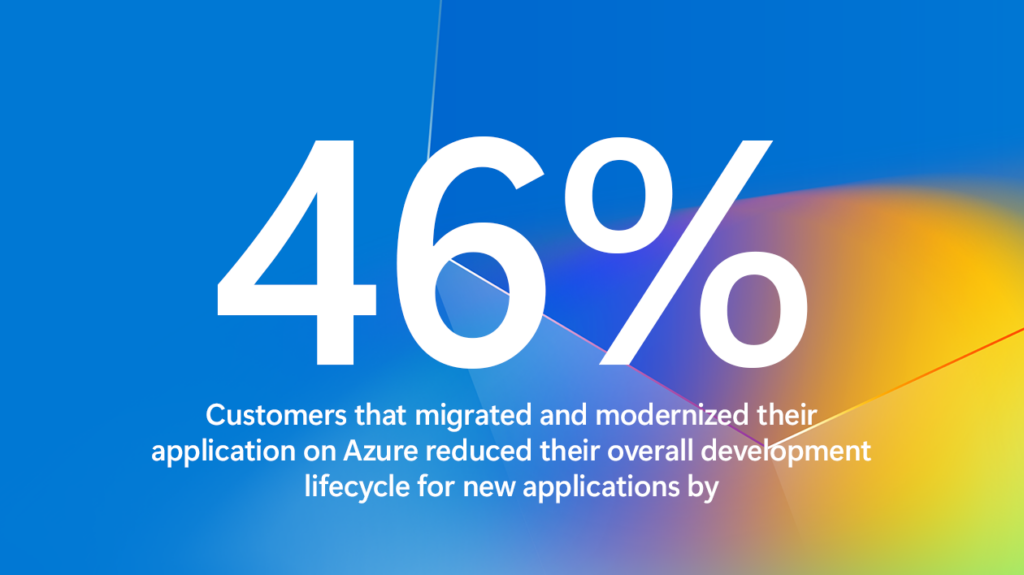
81% of organizations believe AI will give them a competitive edge. Applications are where AI comes to life. Intelligent applications, powered by AI and machine learning (ML) algorithms are pivotal to enhancing performance and stimulating growth.
In this blog, you will learn about each global traffic distribution solution Azure offers, and which solution is the best one for your internet-facing cloud architecture. Currently, Azure offers different options for distributing global traffic.
Modern businesses increasingly rely on technology to drive growth and deliver innovative experiences to their customers. Application programming interfaces (APIs) are the building blocks that power these connected digital experiences.