Skip to main content Explore View all products (200+) Microsoft Foundry Azure Copilot GitHub Copilot Azure Kubernetes Service (AKS) Azure Cosmos DB Azure Database for PostgreSQL Azure Arc Microsoft Fabric Linux virtual machines in Azure Foundry Models Foundry Agent Service Foundry IQ Foundry Tools Foundry Control Plane Observability in Foundry Control Plane Azure OpenAI in Foundry Models Azure Speech in Foundry Tools Azure Machine Learning View all databases Azure Cosmos DB Azure DocumentDB Azure SQL Azure Database for PostgreSQL Azure Managed Redis Microsoft Fabric Azure Databricks Linux virtual machines in Azure Windows Server on Azure Azure Functions Azure Virtual Machine Scale Sets Azure API Management Azure Container Apps Azure Kubernetes Service (AKS) Azure Kubernetes Fleet Manager Azure Container Registry Azure Red Hat OpenShift Azure Container Instances Azure Container Storage Azure Arc Azure Local Microsoft Defender for Cloud Azure Monitor Microsoft Sentinel Azure Migrate View all solutions (40+) Cloud solutions for small and medium businesses Cloud migration and modernization center Data analytics for AI Azure Databases AI apps and agents Microsoft Marketplace Microsoft Sovereign Cloud AI apps and agents Responsible AI with Azure AI Infrastructure Data analytics for AI Machine learning operations (MLOps) Low-code application development on Azure Integration Services Serverless computing DevOps Migration and modernization center .NET apps migration Databases on Azure Linux on Azure Oracle on Azure SAP on the Microsoft Cloud Adaptive cloud High-performance computing (HPC) Infrastructure as a service (IaaS) Resiliency Azure Essentials Frontier Accelerate for Azure FinOps on Azure Microsoft Marketplace Azure pricing overview Create an Azure account Free Azure services Flexible purchase options Pricing calculator FinOps on Azure Maximize ROI from AI Azure savings plans Azure reservations Azure Hybrid Benefit Virtual Machines Azure SQL Microsoft Foundry Microsoft Fabric Azure Kubernetes Service (AKS) Microsoft Defender for Cloud View more Software Development Companies Microsoft Marketplace Find a partner Resources for Azure partners Get started with Azure Customer stories Analyst reports, white papers, and e-books Videos Learn more about cloud computing Documentation Explore Azure portal Developer resources Quickstart templates Resources for startups Developer community Students Azure for partners Blog Events and Webinars Learn Support Contact Sales Get started with Azure Sign in
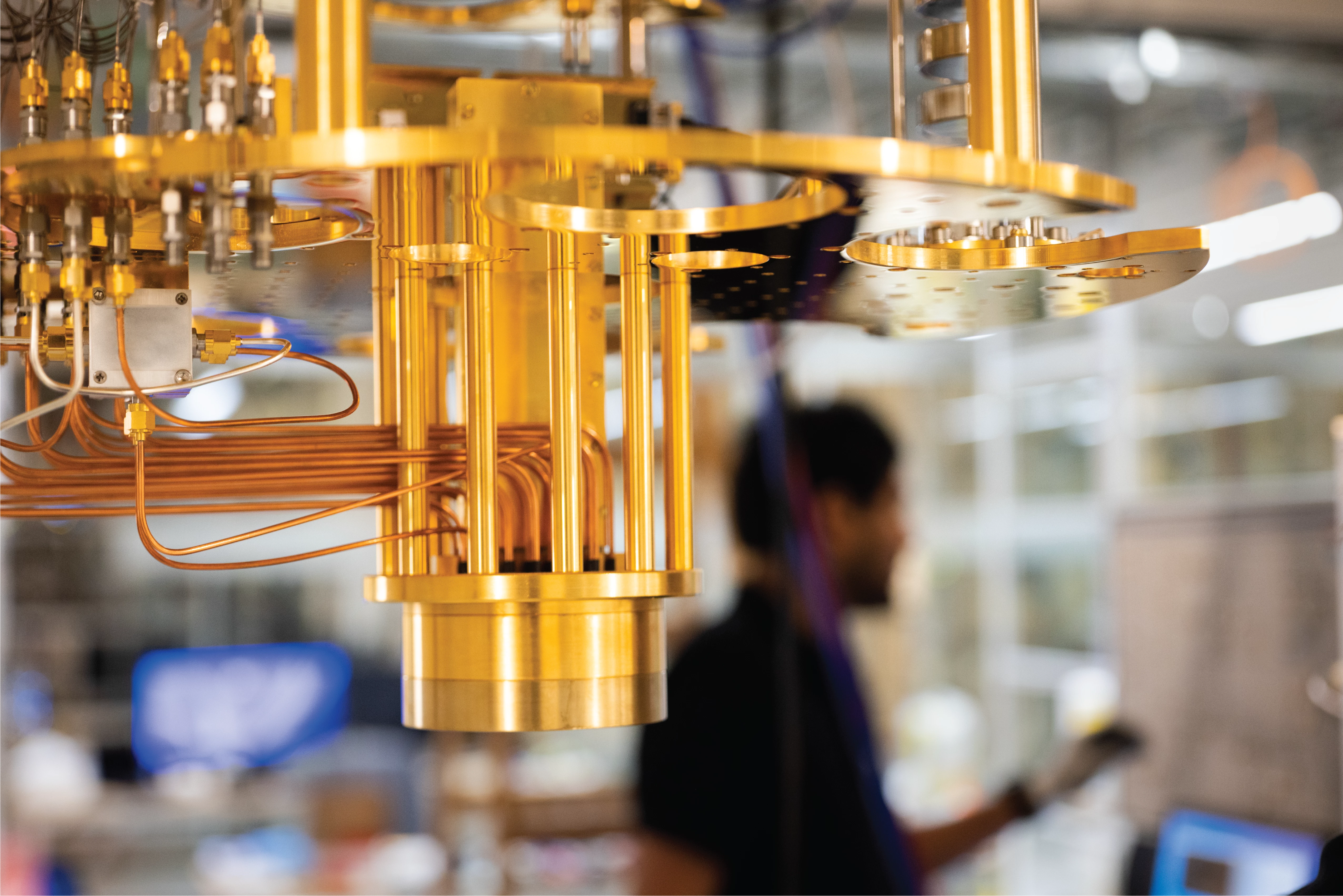
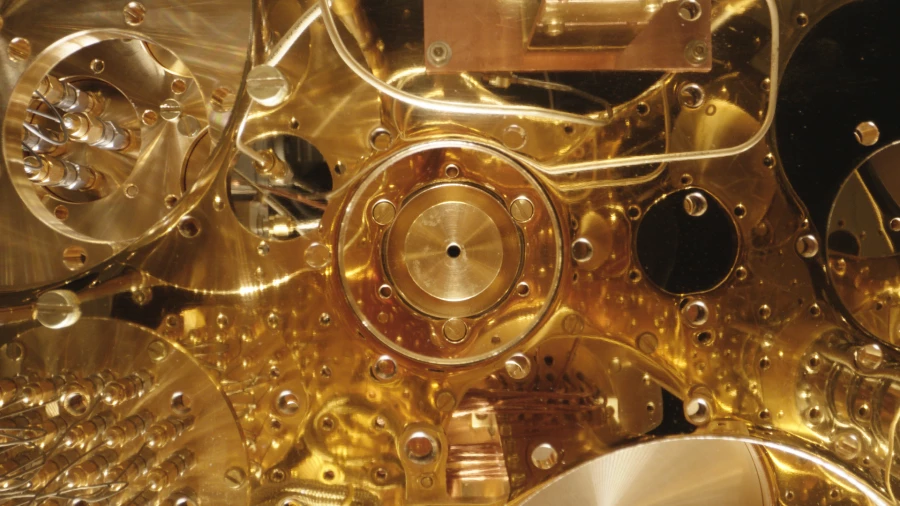
Image of quantum chandelier
2 min read

U.S. Defense Advanced Research Projects Agency (DARPA) names Microsoft as a Quantum Partner

DARPA has selected Microsoft as a partner to explore scaled quantum computing in support of DARPA’s broader quantum strategies. DARPA has long been on the cutting edge of technology and plays an important role in advancing the quantum technology ecosystem. At Microsoft, we have a vision to bring quantum at scale to the world in ways that are impactful and responsible. We see the potential of quantum computing to solve some of society’s most complex problems. This collaboration with DARPA will enable us to explore together the benefits of our unique approach in making the promise of quantum technologies a reality.

Microsoft has taken a more challenging, but what we believe to be a more promising path towards scaled quantum computing and designed our machine using topological qubits. Our unique qubit architecture is theorized to enable our quantum machine to be small enough to fit in a closet, fast enough to solve problems in a practical timeframe, and have the capability to control more than one million qubits. We are confident in this design given our significant physics breakthrough which cleared a major hurdle toward engineering the world’s first topological qubit and ultimately, a scaled quantum machine.  Anyone can access the same data as our scientists to better understand Microsoft’s approach to building a scalable, full-stack quantum machine.  

Microsoft founded our quantum program with scale in mind because we believe a machine will need at least one million qubits to solve a broad class of classically intractable problems. This enormous scale requirement emerged from our resource estimation research. Years ago, we built a tool to understand the hardware requirements and run times required to run various quantum applications using a variety of qubit architectures. For a quantum application to run in a matter of weeks instead of years or centuries, a machine requires upwards of one million qubits. That Resource Estimation tool is now available to anyone in our cloud service, Azure Quantum.

The quantum computing industry is at an important inflection point—and Microsoft is starting to separate the hype from reality. We applaud DARPA’s diligence and focus in this important space. We look forward to sharing more as we collaborate with DARPA and invite you to join the Microsoft Quantum Innovator Series to stay connected.

Microsoft Quantum Innovator Series

The path to quantum at scale.
Quantum chandelier