Customer demand for cloud and AI is accelerating worldwide, and this demand has been particularly strong in Europe. Public sector customers like Manchester City Council are using Microsoft 365 Copilot to streamline operations and improve citizen services, while companies like Inriver use Microsoft Foundry to transform product information management.
These innovations are powered by Microsoft Azure—the platform underpinning both Microsoft 365 Copilot and Microsoft Foundry. Azure enables organizations to build, deploy, and scale AI solutions with performance, security, and trust. Across industries, customers are turning to Azure to run critical workloads and advance their AI strategies, driving a new wave of innovation across Europe.
Meeting Europe’s cloud and AI demand
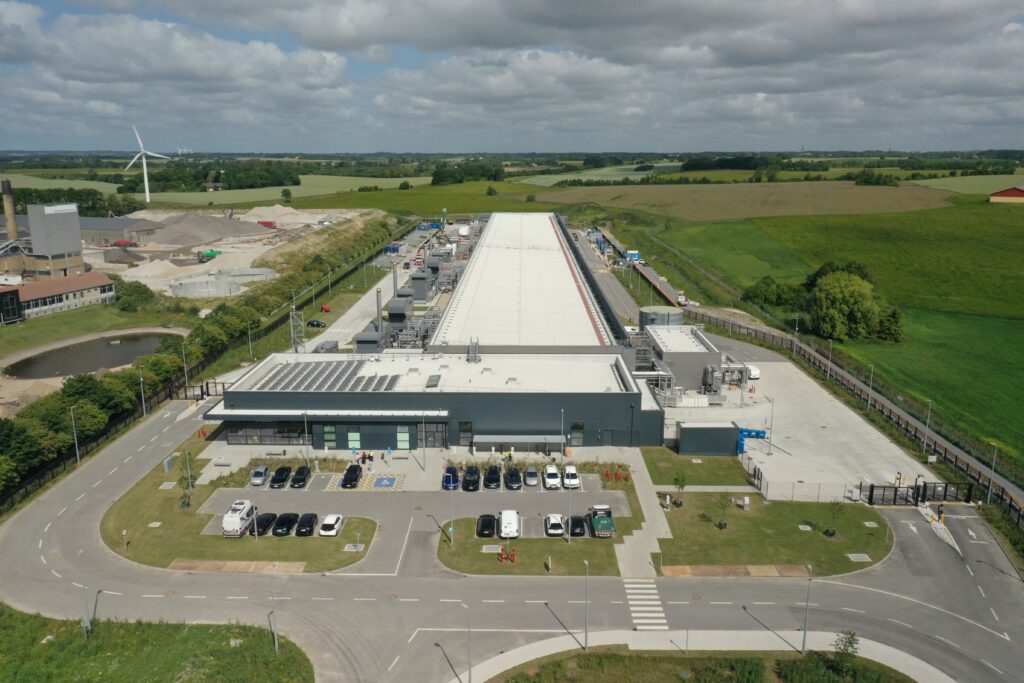
To support customers running everything from core business systems to advanced analytics and AI-powered applications, we are significantly investing in datacenter regions across Europe.
This fiscal year, we’ve expanded into new regions and continue to build across key markets. We’re scaling capacity across both new and existing regions so customers can grow with confidence including:
Microsoft’s global infrastructure spans more than 80 datacenter regions in 34 countries, giving customers greater choice for storing data at rest and meeting data residency, compliance, and performance requirements.
These investments deliver more than capacity; they provide trusted, sovereign solutions designed for transparency, operational control, and alignment with local regulations.
Comprehensive sovereign solutions without compromise
We’re expanding rapidly with a clear focus: helping customers scale as demand grows. We’re investing where customers are building and scaling critical workloads, and we’ll continue to grow our regional footprint with secure, resilient cloud and AI services—including sovereign solutions that help provide the control and deployment flexibility many organizations require.
These investments go beyond expanding capacity, they deliver trusted sovereign infrastructure that supports innovation with transparency, operational control, and alignment with local regulations.
Between Azure datacenter regions across the European Union, the European Union Data Boundary, and Microsoft Sovereign Cloud, customers gain control over where data is stored and processed — without giving up access to advanced cloud and AI capabilities.
Northern Europe: Scaling AI and cloud innovation in the Nordics
Across the Scandinavian countries in Northern Europe, demand from industry, the public sector, and enterprises is rising quickly, driven by advanced digital and AI workloads.
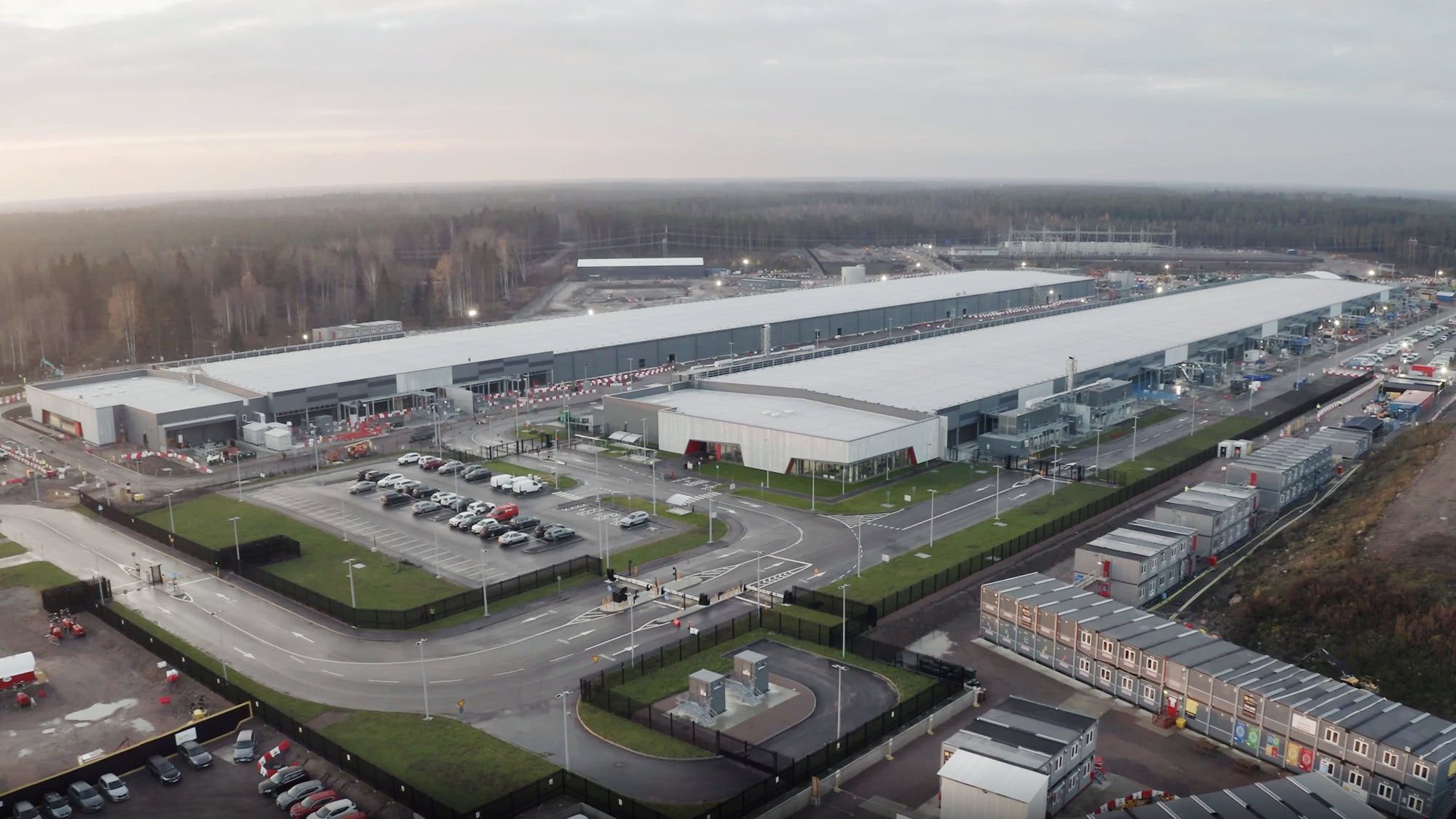
In Sweden we’re pairing that growing demand with a more sustainable approach to how Azure datacenters are designed and powered from:
- Free-air cooling.
- Rainwater harvesting.
- Renewable diesel backup power.
- A partnership with Vattenfall to use every day renewable-energy matching.
Organizations like Legora and inriver are using Azure and Azure OpenAI to innovate with AI-powered solutions and enhance digital experiences, while Sandvik is revolutionizing manufacturing with Microsoft AI solutions.
That same focus on proximity, resilience, and trust is shaping cloud adoption across Denmark. In the recently launched Denmark East datacenter region, organizations can run workloads closer to users while meeting data residency and protection needs, while strengthening their digital resilience.
As demand grows across the Nordics, we’re continuing to invest in cloud and AI infrastructure throughout the region, supporting the next wave of innovation from customers like Sanoma in Finland and the City of Stavanger in Norway.
Southern Europe: Accelerating digital transformation with local Azure regions
Southern Europe is seeing its own rapid growth in cloud adoption as organizations modernize IT estates, expand digital services, and bring AI workloads closer to users. In countries such as Spain and Italy, Azure infrastructure supports cloud and AI workloads with low latency while meeting national and European Union-level regulatory requirements.
The Spain Central datacenter region in Madrid helps organizations like LaLiga build and scale digital services. LaLiga delivers seamless fan experiences and AI-powered insights using Azure Arc, showcasing how organizations are using local infrastructure to power innovation at scale.
At the same time, companies such as Telefónica are advancing AI and machine learning capabilities on Azure, while Amadeus is using Azure Databricks to enhance data-driven decision-making, and Factorial is running its platform on Azure Kubernetes Service to scale efficiently and support rapid growth.
Similarly, the Italy North datacenter region in Milan expands access to trusted cloud and AI infrastructure, helping organizations meet in-country data requirements while modernizing critical systems and accelerating innovation.
Microsoft is working with telecom infrastructure operator FiberCop to bring cloud and AI capabilities closer to organizations across Italy by integrating Microsoft technologies with FiberCop’s nationwide network and edge infrastructure. This helps deliver ultra low-latency performance for scenarios such as industrial automation, healthcare systems, and smart city solutions while expanding deployment options for customers building secure cloud and AI services in Italy.
Further south, in Greece, Microsoft is expanding access to trusted cloud and AI infrastructure—supporting both public sector transformation and enterprise innovation. Azure enables organizations to deploy locally, meet regulatory requirements, and accelerate their digital modernization.
Across financial services, leading institutions including the National Bank of Greece are using Azure to strengthen resilience, enhance customer experiences, and drive data- and AI-powered operations. In energy and critical infrastructure, organizations such as HELLENiQ Energy are using Azure to modernize systems, optimize performance, and support the transition to more sustainable, intelligent operations. Together, these efforts reflect a broader momentum across Greece—where cloud and AI are becoming foundational to economic growth, public service delivery, and long-term competitiveness.

Western Europe: Investing in cloud capacity and AI skills
Across Western Europe, Microsoft continues to invest in infrastructure to support growing demand in markets such as the United Kingdom and Belgium. The United Kingdom remains a major cloud market in Europe, with accelerating demand across the public sector, financial services, healthcare, and enterprise workloads.
Microsoft is investing $30 billion in AI infrastructure and ongoing operations across the United Kingdom from 2025 through 2028, including $15 billion in capital expenditures to expand cloud and AI capacity and grow the datacenter footprint.
Customers such as Manchester City Council are using Microsoft 365 Copilot to enhance productivity and streamline citizen services, while Space Intelligence is delivering data-driven insights for environmental sustainability and ITF is modernizing its operations on Azure to improve efficiency and scalability.
Building on the momentum established in the United Kingdom, Microsoft is also advancing digital growth and innovation in Belgium. Our Belgium Central region continues to expand since the recent launch supporting local organizations while also contributing to digital skills and economic growth.
Microsoft’s commitment in Belgium extends beyond infrastructure: AI skills are essential to unlock Belgium’s digital transformation. That’s why Microsoft recently partnered with the Flemish government to introduce Microsoft Copilot to 10,000 civil servants one of the largest public Copilot projects in Europe.
Central Europe: Enabling compliance and advance analytics with Azure
Microsoft’s focus on expanding regional capabilities continues further into Central Europe. In Germany, Azure infrastructure enables local deployment while staying connected to the broader Microsoft Cloud for resilience and operational flexibility.
The Germany West Central region provides high availability and regional performance supporting organizations such as BMW Group, which is driving innovation across automotive with Azure, while TK Elevator is modernizing digital services and improving operational efficiency on Azure.
Basalt AG is using Microsoft Fabric to unlock data-driven insights and enhance analytics capabilities while maintaining strong governance with regional requirements. As demand for analytics and AI grows, regional cloud capacity helps organizations in Germany scale without sacrificing security or compliance.
Beyond these large industrial workloads, customers like ElringKlinger are modernizing SAP workloads on Azure while keeping sensitive manufacturing data governed and compliant with regional sovereignty requirements.
In Austria, Azure infrastructure enables organizations to store and process data locally, supporting regulatory compliance and innovation across industries.
Microsoft is training 200,000 people in Austria in digital skills as part of its broader commitment to the country’s digital future. Programs like Red Bull Basement highlight how these skills translate into real-world innovation—bringing together the next generation of builders to develop new ideas using Microsoft AI technologies, including Azure OpenAI.
Similar advances are now taking shape in Poland, where cloud-powered innovation is transforming education and healthcare. In Poland, organizations are accelerating digital transformation to address real-world challenges. Photon Education is reimagining classrooms, enabling teachers to deliver more engaging and inclusive learning experiences. Meanwhile, CancerCenter.AI is transforming cancer diagnostics and reducing diagnosis times with an Azure-powered platform, showcasing how innovation in Poland is shaping a more connected future.
Building resilient multi‑region cloud architectures
Europe is deeply integrated into the global economy, with businesses operating across borders and serving customers worldwide. Microsoft’s expanding regional footprint enables customers to build multi‑region cloud architectures, deploying applications across more than one Azure region for greater flexibility and control. By deploying across regions, organizations can improve availability, reduce the impact of localized disruptions, and deliver more consistent performance across Europe, while aligning with data residency, regulatory, and operational requirements without being limited to a single region.
A multi‑region approach allows organizations to scale dynamically, improve availability for business‑critical workloads, and reduce the impact of localized disruptions. It also brings applications and data closer to users for better performance, while supporting compliance with data residency and European Union wide regulatory requirements across Europe. With guidance from the Microsoft Cloud Adoption Framework and Azure Well-Architected Framework, customers can design multi-region environments.
Scaling Azure to meet Europe’s growing AI demand
Demand for cloud and AI is accelerating globally and we’re seeing it in customer adoption and the scale of workloads moving to Azure. That’s why we continue to invest in regional capacity across Europe, grounded in real growth and a clear view of what’s ahead. As we expand both new and existing Azure regions, we aim to support customers in building scale, performance, and governance, with infrastructure designed to be available where and when they need it. Together, these investments reflect a long-term commitment to building the infrastructure needed to support Europe’s next wave of innovation.
Learn more
- Develop a multi-region architecture for your applications: Modern Azure Resilience with Mark Russinovich.
- Take a virtual tour of a Microsoft datacenter.
- Discover a sovereign cloud without compromise.